

Views: 0 Author: Site Editor Publish Time: 2026-05-28 Origin: Site
Quick answer:
A fan-assisted baking unit uses an internal fan to circulate hot air, ensuring even baking and faster cooking times. Choose this equipment if you need consistent results for pastries or roasted meats. Upgrading to professional-grade models significantly improves kitchen efficiency and food quality for high-volume businesses.
Running a successful food business requires reliable equipment. The quality of your baked goods depends heavily on how evenly your kitchen appliances distribute heat. If your pastries have burnt edges or undercooked centers, your current cooking setup is likely failing you.
Understanding the differences between various heating technologies can save your business thousands of dollars in wasted ingredients and lost time. Many chefs struggle to decide whether they need standard radiant heat, fan-assisted air circulation, or moisture-infused cooking environments. Making the wrong choice often leads to frustrating service delays and inconsistent food quality.
This comprehensive guide breaks down exactly what you need to know about professional baking equipment. You will learn the core differences between heating methods, how to select the right capacity for your kitchen, and why upgrading your primary cooking unit can transform your daily operations.
When deciding on your kitchen setup, selecting the proper convection oven is the most critical step. This specific type of unit moves hot air constantly, which removes the layer of cool air that typically surrounds food in standard baking units.
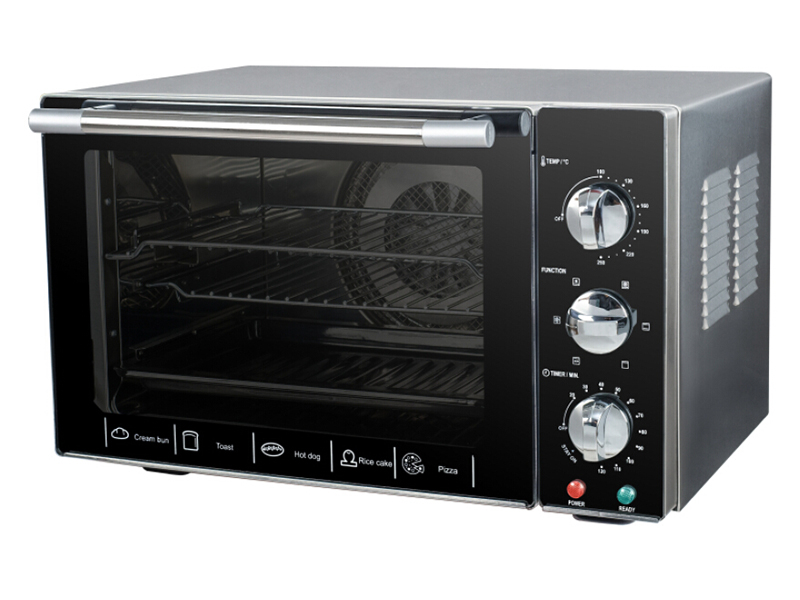
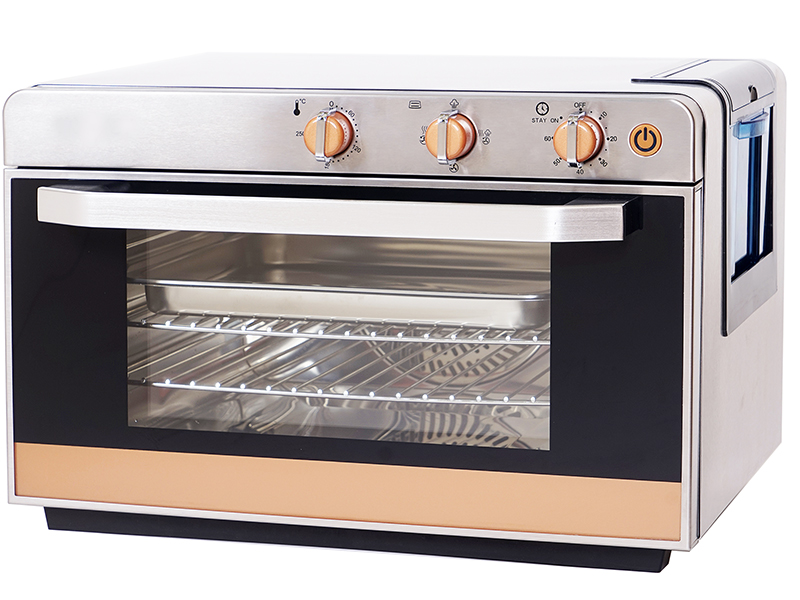
Standard baking appliances rely on radiant heat from the top and bottom heating elements. This traditional method often creates hot and cold spots inside the cooking chamber. As a result, chefs must constantly open the door to rotate pans, which lets valuable heat escape and slows down the cooking process.
Fan-assisted heating eliminates this problem entirely. An exhaust system pulls cooler air out while a fan blows hot air back into the chamber. This continuous cycle maintains a uniform temperature across every rack. Because the hot air directly contacts the food, cooking times drop by roughly 25 percent. Furthermore, you can lower your cooking temperatures by about 25 degrees Fahrenheit, which saves energy over time.
While dry, circulated air works perfectly for cookies and roasted meats, some recipes demand a different approach. Artisan breads, for instance, need humidity to develop a thick, crispy crust while keeping the inside soft and airy. Vegetables and seafood also benefit greatly from humid cooking environments, as dry heat can quickly ruin their delicate textures.
Bakers and chefs working with these specific foods often prefer a steam oven. These specialized units inject water vapor directly into the cooking chamber. The added moisture prevents the surface of the food from drying out too quickly. According to culinary experts, cooking with water vapor retains more nutrients and natural flavors compared to traditional dry roasting methods.
Below is a breakdown of how different professional heating models compare in a high-volume kitchen environment:
| Equipment Type | Best Used For | Key Advantage | Estimated Cooking Time Reduction |
| Fan-assisted model | Pastries, cookies, roasted meats | Even heat distribution | 25% |
| Vapor-injected model | Artisan breads, vegetables, seafood | Moisture retention | 15% |
| Standard professional model | Large roasts, delicate cakes | High-volume capacity | 0% |
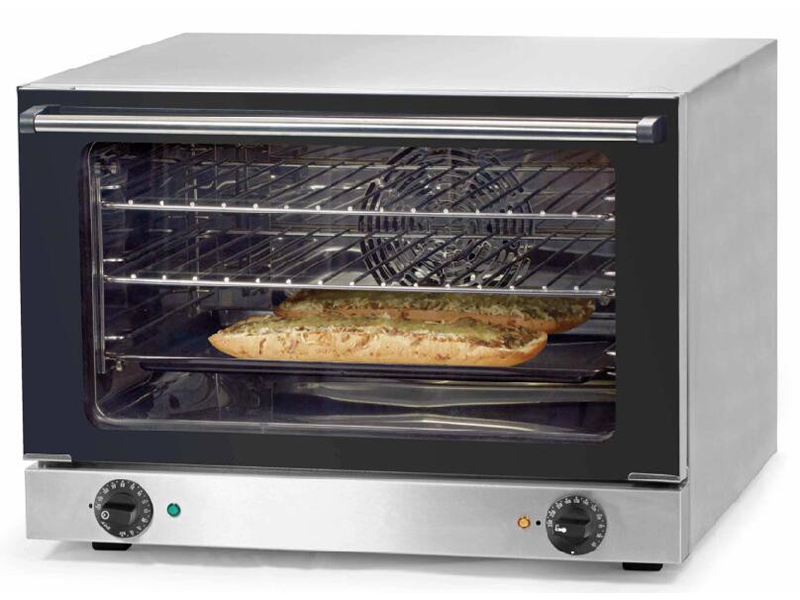
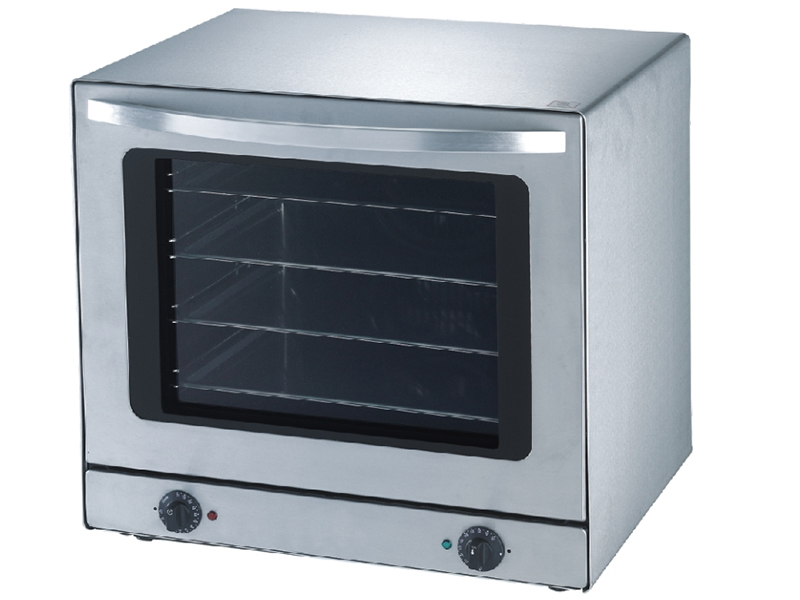
Size and capacity dictate how smoothly your kitchen operates during a dinner rush. A small appliance might work for a cafe, but a bustling restaurant requires equipment that holds multiple standard gastronorm (GN) pans simultaneously. When your staff can cook five trays of food at once without worrying about uneven heating, your service speed increases dramatically.
Investing in a high-quality commercial oven allows your staff to handle intense order volumes efficiently. When evaluating these heavy-duty units, look for models constructed from stainless steel. Stainless steel resists corrosion, wipes clean easily, and withstands the physical abuse of a busy kitchen environment. Leading manufacturers like Kaiping Kingpower Electrical Appliances build their units to meet strict international standards, including ISO9001 and CE certifications, ensuring long-term reliability.
Purchasing premium kitchen equipment is a significant investment. Protecting that investment requires a strict maintenance routine. First, staff should wipe down the interior chamber daily using manufacturer-approved cleaning solutions. Leaving grease and food particles inside the unit poses a fire hazard and negatively affects the flavor of your food.
Second, schedule professional calibrations at least once a year. Over time, internal thermostats can drift, meaning a unit set to 350 degrees might actually run at 325 degrees. Regular calibration ensures your recipes yield consistent results. Finally, always check the door seals. A loose or damaged gasket lets hot air escape, forcing the heating elements to work harder and increasing your monthly energy bills.
Evaluating your menu is the first step toward choosing the best cooking equipment. Look at your most popular dishes and identify which heating technology will produce the best results. If you bake large batches of pastries, prioritize fan-assisted air circulation. If you focus on artisan breads or healthy steamed dishes, look toward vapor-injected models. Reach out to a certified restaurant equipment supplier to discuss your specific capacity needs and start transforming your kitchen's productivity.
Prices vary widely based on size, heating technology, and brand. Small countertop models can cost around $500, while full-size, heavy-duty floor models often range from $3,000 to over $10,000. Always factor in installation costs and potential electrical or gas line upgrades when budgeting for new equipment.
With proper daily cleaning and regular professional maintenance, a high-quality unit will last between 10 and 15 years. Neglecting regular maintenance, especially failing to clean grease buildup or ignoring worn door seals, will significantly reduce the lifespan of the appliance.
Domestic appliances lack the durability to handle continuous, high-volume use. Using a home appliance in a business setting voids the manufacturer's warranty. Additionally, domestic units recover heat much slower after the door opens, which severely delays cooking times during busy service hours.
