

Views: 0 Author: Site Editor Publish Time: 2026-05-23 Origin: Site
Quick answer: A compact fan-assisted cooking unit maximizes limited kitchen space while delivering consistent baking results. These appliances reduce cooking times by circulating hot air evenly, making them ideal for small cafes, food trucks, and busy restaurant kitchens looking to increase their output without requiring expensive ventilation system upgrades.
Finding the right equipment for a professional kitchen requires careful planning and strategic investment. Kitchen space remains incredibly valuable. Chefs and business owners constantly seek ways to maximize their output while minimizing their equipment footprint. Modern cooking technology offers solutions that deliver high performance without taking up valuable floor space.
When kitchen real estate is tight, a tabletop convection oven provides a practical solution for baking and roasting. These compact units utilize advanced internal fans to circulate hot air. This consistent airflow guarantees that pastries, meats, and vegetables cook evenly from all sides. Because the heat distributes perfectly, chefs can lower their cooking temperatures and reduce overall cooking times, resulting in significant energy savings.
Kaiping Kingpower Electrical Appliances Co., Ltd., established in 2008, has spent decades engineering solutions for these exact culinary challenges. With an export presence in over 30 countries and a massive 135,000-square-meter manufacturing facility, Kingpower understands how to balance size with reliable performance.
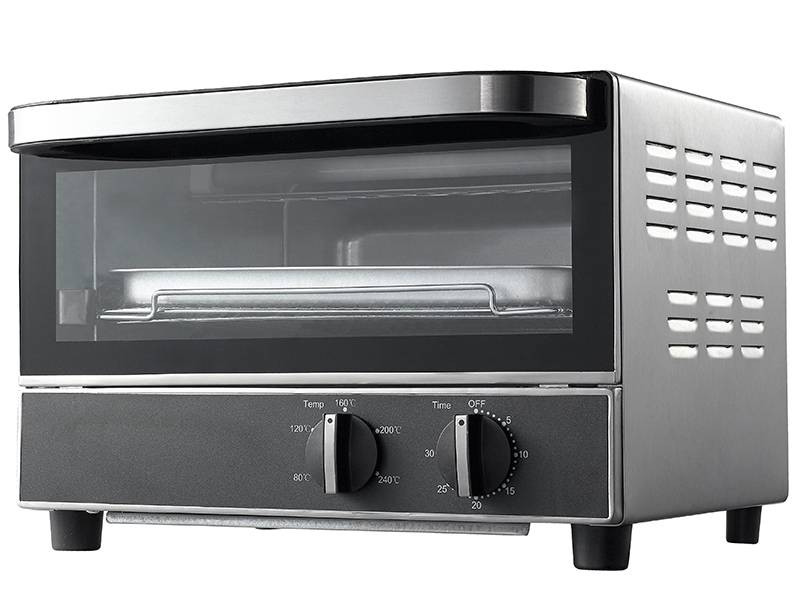
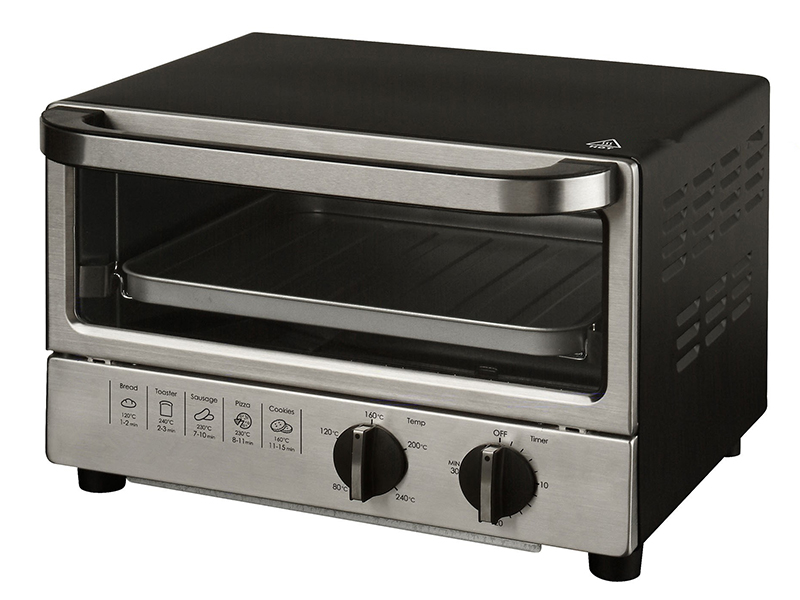
Small culinary businesses often struggle to justify the cost and space required for full-sized industrial equipment. Compact fan-assisted units solve this problem by offering professional-grade features in a much smaller package.
Standard heating elements often create hot and cold spots inside a cooking chamber. This uneven temperature distribution forces kitchen staff to constantly rotate pans to prevent burning. Fan-assisted technology eliminates this manual labor. The continuous movement of hot air strips away the layer of cool air that naturally surrounds raw food. This accelerates the browning process and locks in essential moisture.
Floor-standing appliances typically require specialized electrical wiring, heavy-duty ventilation hoods, and significant structural planning. Conversely, countertop models offer flexibility. Kitchen managers can easily relocate these units when redesigning a workflow or expanding a menu. Choose a compact countertop model if rapid menu changes and layout flexibility matter more than cooking massive batch quantities.
Some culinary operations demand more than just dry heat. Artisan bread requires humidity for a perfect crust, while delicate seafood needs gentle steaming to retain its texture. For businesses wanting to steam vegetables and bake bread simultaneously, a combi oven offers maximum versatility.
These hybrid machines inject moisture into the cooking chamber. Kitchen staff can program exact humidity levels to suit specific recipes. This eliminates the need for a separate steamer and a standalone baker. By consolidating two distinct cooking methods into one footprint, restaurants can dramatically expand their menu offerings without purchasing additional appliances.
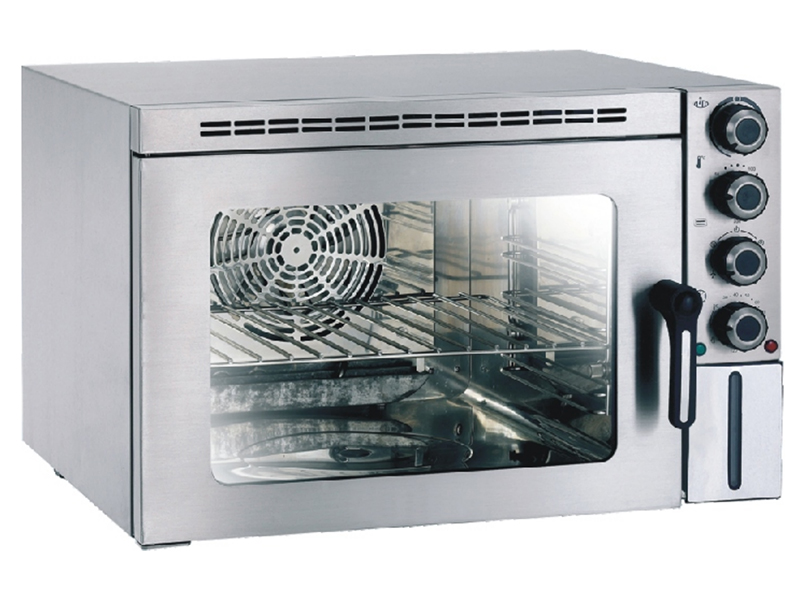
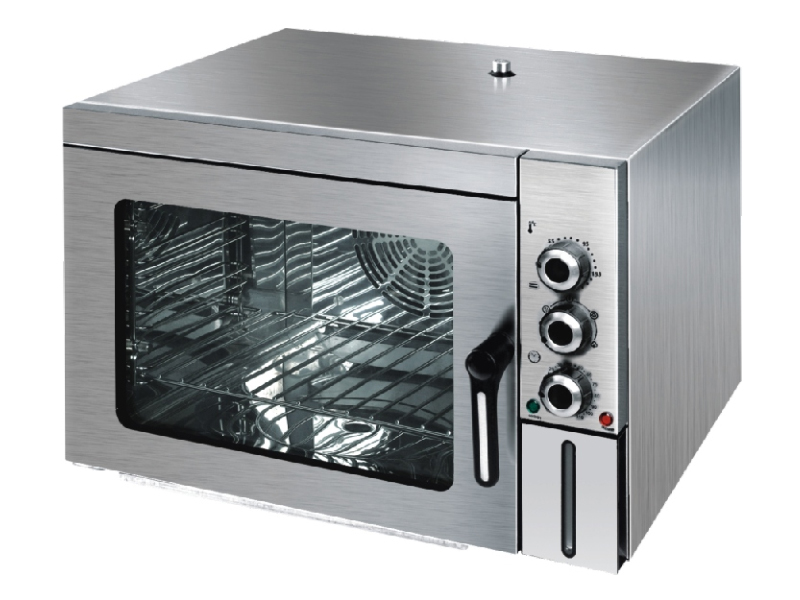
Understanding the differences between appliance categories helps business owners make informed purchasing decisions. Review the comparison table below to determine which equipment aligns with your specific operational needs.
Equipment Category | Space Requirement | Core Function | Best Suited For |
Compact Fan Baker | Minimal | Quick, even baking | Coffee shops, food trucks, and small bakeries |
Dual-Chamber Cooker | High | High-volume, multi-temp production | Large restaurants and institutional cafeterias |
Steam-Fan Hybrid | Moderate | Moisture-controlled roasting | Fine dining establishments and hotels |
As customer demand grows, kitchen bottlenecks become inevitable. A busy dinner rush might require a chef to roast chicken at 400 degrees Fahrenheit while simultaneously holding delicate pastries at 200 degrees Fahrenheit. A single cooking chamber cannot accommodate these conflicting temperature requirements.
Upgrading to a commercial double oven allows chefs to process entirely different dishes at the exact same time. The isolated upper and lower chambers prevent flavor transfer. A fish dish cooking on the bottom rack will not impact the taste of the vanilla cakes baking on the top rack. Choose a dual-chamber setup if handling simultaneous, high-volume orders of completely different menu items matters more than conserving floor space.
Evaluating your current menu output is the first step toward improving your kitchen layout. Track your busiest service hours and identify where food preparation slows down. If baked goods take too long to finish, a fan-assisted model might be the necessary solution. If your kitchen struggles to balance moist and dry cooking methods, a humidity-controlled unit could streamline your workflow.
Take the time to measure your available counter space and review your electrical capacity. Partnering with experienced manufacturers like Kingpower ensures that you receive equipment certified to international safety standards, such as CE, EMC, and ROHS. Investing in the right appliance ultimately empowers your culinary team to produce better food, faster.
Wait for the appliance to cool completely before cleaning. Use a non-abrasive sponge and a mild, food-safe degreaser to wipe down the interior walls. Remove the stainless steel racks and wash them separately in the sink. Avoid spraying water directly into the fan mechanism to prevent electrical damage.
A high-quality professional appliance typically lasts between 7 and 10 years, depending on usage and maintenance. Establishments that clean their equipment daily and schedule annual professional inspections often extend the lifespan of their appliances well beyond a decade.
The internal fan actively blows hot air across the surface of the food. This forced circulation transfers heat much more efficiently than the passive radiant heat found in traditional models. Consequently, recipes generally require a 25% reduction in temperature and a 20% reduction in overall cooking time.
