

Views: 0 Author: Site Editor Publish Time: 2026-06-04 Origin: Site
Quick answer:
The ideal forced-air baking equipment for a restaurant depends on volume, space, and menu requirements. Kaiping Kingpower Electrical Appliances Co., Ltd. recommends selecting models with high-density insulation, adjustable fan speeds, and durable stainless steel construction to ensure even heat distribution and long-term reliability in high-traffic professional kitchens.
Upgrading your restaurant's culinary equipment requires careful planning and significant capital investment. Chefs and restaurant owners constantly seek reliable machinery that can handle high-volume orders without compromising food quality. The right appliances can dramatically reduce ticket times, lower utility bills, and ensure consistent results across every shift.
Understanding the specific heating mechanisms of different appliances allows culinary professionals to make informed purchasing decisions. Forced-air technology revolutionized the food service industry by distributing heat evenly across multiple cooking racks. This eliminates cold spots and allows chefs to bake large batches of pastries or roast meats simultaneously.
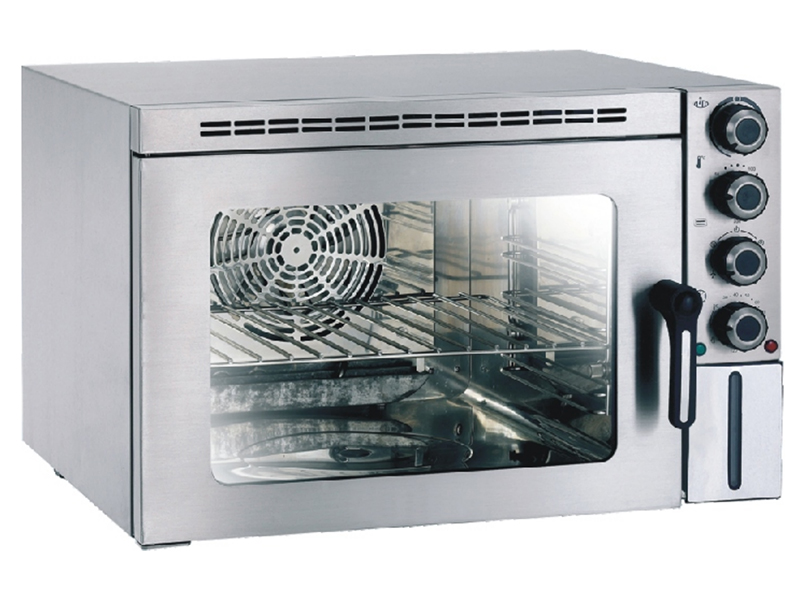
If you are outfitting a new restaurant or replacing aging equipment, exploring the latest models is essential for maintaining a competitive edge. An efficient commercial convection oven enables culinary teams to increase output while maintaining exact temperature control. Kaiping Kingpower Electrical Appliances Co., Ltd. provides comprehensive solutions tailored for demanding professional environments.
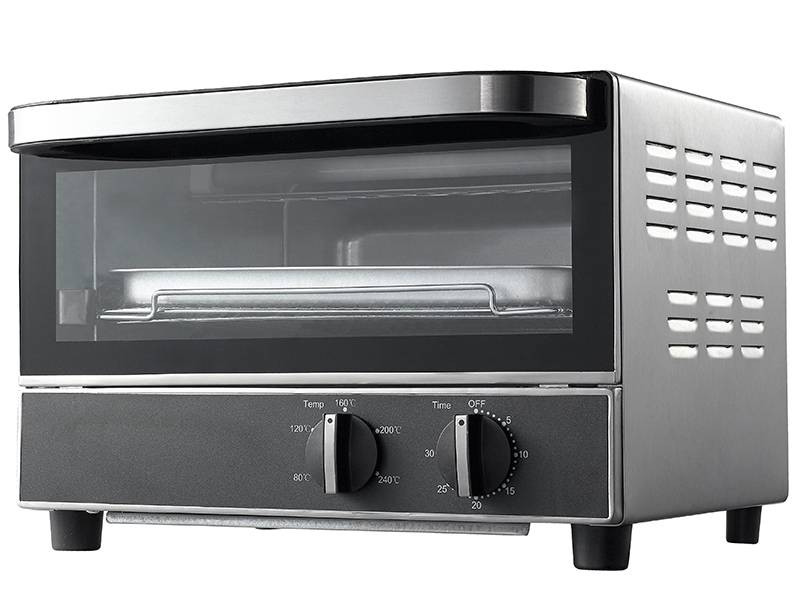
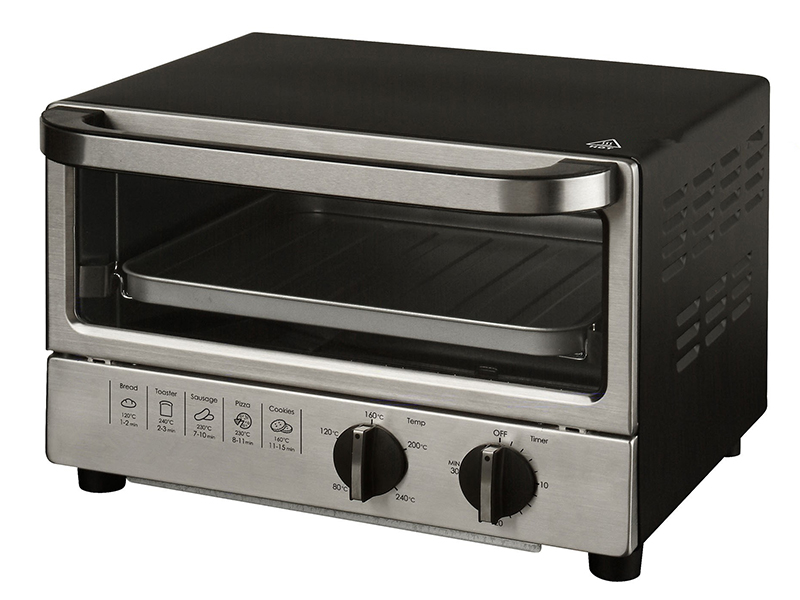
Kitchens that adopt modern thermal circulation systems experience immediate improvements in both food consistency and preparation speed. Traditional radiant units often struggle to maintain exact temperatures when chefs frequently open the doors. Air-circulating units solve this problem by rapidly recovering lost heat through powerful internal fans.
Choosing the right standard commercial oven requires evaluating your daily production volume. High-capacity establishments typically require double-stacked units to maximize vertical space. These configurations allow a single chef to monitor dozens of sheet pans simultaneously. Furthermore, modern electrical and gas components consume less energy than older models, directly reducing monthly operating expenses for the business owner.
Radiant heat relies on a single heat source at the bottom or back of the cooking chamber. This method often results in uneven baking, forcing cooks to manually rotate pans halfway through the cooking cycle. Rotating pans wastes valuable labor hours and lets heat escape into the kitchen.
Air-circulating systems utilize motorized fans to blow hot air directly across the food's surface. This continuous airflow strips away the thin layer of cool air surrounding cold ingredients, accelerating the cooking process by up to 25 percent. According to industry energy audits from 2023, kitchens utilizing circulating air systems reduce their overall energy consumption by 15 percent compared to traditional radiant setups.
Understanding the precise function of each kitchen unit helps owners allocate their budgets effectively. The table below outlines standard equipment types, their primary heating methods, and ideal culinary applications.
Equipment Type | Primary Heating Method | Ideal Culinary Applications | Average Cooking Speed |
Standard Radiant Baker | Bottom-up thermal radiation | Delicate cakes, souffles | Slow to Moderate |
Air-Circulation Baker | Motorized fan distribution | Cookies, roasted meats, breads | Fast |
Vapor-Assisted Baker | Water injection and heat | Crusty artisan bread, vegetables | Moderate |
Hybrid Combination Unit | Dry heat and moisture | Large scale banquets, seafood | Very Fast |
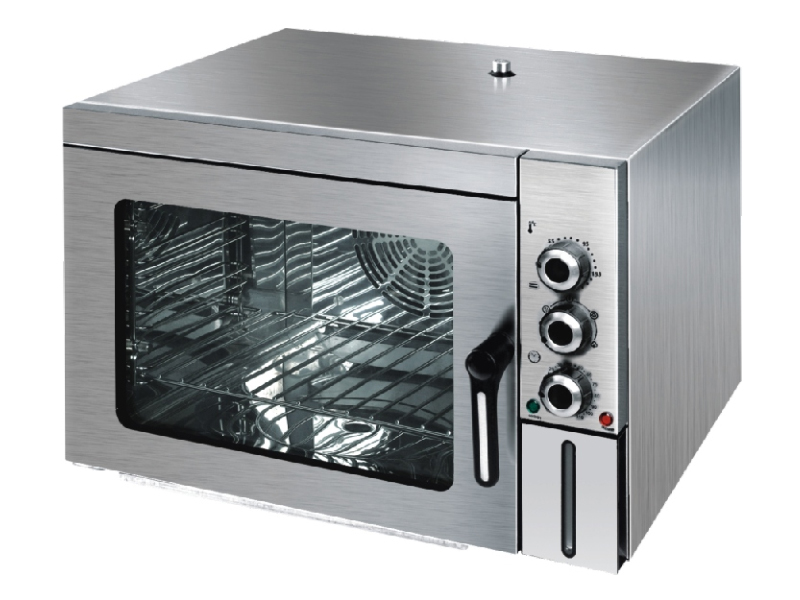
Moisture control is a critical factor when preparing artisan breads, delicate seafood, or vibrant vegetables. A steam oven introduces controlled humidity into the cooking chamber. This prevents proteins from drying out and helps dough achieve a crisp, golden crust without burning.
Restaurants focusing on healthy, nutrient-dense menus rely heavily on vapor-assisted equipment. The moisture-rich environment preserves water-soluble vitamins that traditional dry heat would normally destroy. Kaiping Kingpower Electrical Appliances Co., Ltd. engineers moisture-injected models that give chefs precise control over humidity levels, ensuring optimal textures for a wide variety of delicate ingredients.
Proper maintenance extends the lifespan of expensive kitchen investments and prevents costly service interruptions during busy weekend shifts. Kitchen managers must establish strict daily, weekly, and monthly cleaning schedules.
First, staff should wipe down the interior gaskets daily to prevent grease buildup from degrading the rubber seals. Compromised seals allow hot air to escape, forcing the heating elements to work harder and consume more electricity. Second, technicians should inspect the fan motors and heating elements every six months. Regular calibration ensures the internal thermostat accurately reflects the actual chamber temperature.
Selecting high-quality baking and cooking equipment is a foundational step toward running a profitable, efficient food service operation. By investing in modern technology, you empower your kitchen staff to produce superior dishes at a faster pace.
Take the time to assess your current menu, measure your available kitchen footprint, and consult with experienced equipment manufacturers. Reach out to the team at Kaiping Kingpower Electrical Appliances Co., Ltd. to discuss your specific production requirements and explore custom appliance solutions that fit your budget.
High-quality air-circulating equipment typically lasts between 10 and 15 years in a high-volume restaurant environment. Regular maintenance, such as daily cleaning and bi-annual professional inspections, significantly extends the operational lifespan of the internal fans and heating elements.
Manufacturers generally require a minimum clearance of 6 inches on the sides and back of heavy-duty cooking units. This spacing allows the internal cooling fans to operate efficiently and prevents the appliance from overheating the surrounding walls or adjacent refrigeration units.
Yes. Most heavy-duty appliances require dedicated 208-240V electrical circuits. Kitchen owners must consult a licensed commercial electrician to ensure their facility has the necessary amperage to support these high-draw units safely before installation.
