

Views: 0 Author: Site Editor Publish Time: 2026-02-09 Origin: Site
Have you ever wondered why restaurant food often tastes so much better than what you cook at home? The secret often lies in the equipment. Specifically, professional chefs rely heavily on airflow technology. Understanding how does a convection oven work is the first step toward mastering your kitchen skills. Unlike standard ovens that rely on stationary heat, convection ovens introduce movement.
A fan and exhaust system circulate hot air around the cavity of the oven. This movement ensures that heat is distributed evenly around the food. In a traditional setup, heat rises to the top, leaving cooler spots near the bottom. This often results in uneven baking. A convection oven eliminates these cold spots. By blowing hot air directly onto the food, it speeds up chemical reactions like caramelization and roasting. The result is food that cooks faster, browns more evenly, and retains more moisture.
For businesses, upgrading to a commercial convection oven is often a game-changer. It allows for high-volume cooking without sacrificing quality. Whether you are looking for the best convection oven for a bakery or a home kitchen, the mechanics remain the same. It is all about consistent airflow transforming raw ingredients into perfectly cooked meals.

Why do recipes often specify different temperatures for convection baking? The answer lies in the efficiency of heat transfer. When you compare a conventional oven convection setting to a standard bake setting, the difference is intensity.
In a standard conventional oven, the heat source is stationary. The air inside the oven heats up, but it relies on natural thermal dynamics to move. This is slow and inefficient. When you activate the convection setting, a fan kicks on. This fan forces the heated air to move rapidly. Wind chill applies to cold air making you feel colder; similarly, moving hot air transfers energy into food much faster.
This increased efficiency means you can often lower the cooking temperature by about 25 degrees Fahrenheit. It also means cooking times are reduced. Understanding the nuances of conventional oven convection modes helps you avoid burnt cookies or dried-out roasts. The best convection oven models give you control over this fan speed, allowing for delicate items like soufflés to rise without being blown over by strong currents.
Restaurants operate on tight schedules where every minute counts. This is where a commercial convection oven truly shines. In a busy kitchen, chefs cannot afford to rotate pans halfway through the cooking process.
Yes, airflow is the primary driver of speed in these appliances. A commercial convection oven uses powerful fans to strip away the cold air barrier that naturally surrounds raw food. By removing this insulation layer of cool air, heat penetrates the food immediately. This can reduce cooking times by up to 25% compared to still-air ovens.
Absolutely. One of the biggest advantages of a commercial convection oven is rack utilization. In a standard oven, putting two trays of cookies on different racks usually results in the bottom tray burning while the top tray remains pale. With a convection system, the hot air circulates everywhere. You can fill every rack in the oven and still achieve uniform results. This capability is why finding the best convection oven is critical for bakeries that need to produce hundreds of pastries each morning.
When you invest in high-quality equipment, you expect superior results. The best convection oven models offer benefits that go far beyond just speed. They fundamentally change the texture and flavor of your food.
Air circulation dries the exterior of the food faster. This is vital for roasting meats or baking crusty breads. The dry surface allows the Maillard reaction—the process responsible for browning—to happen sooner.
Because food cooks faster and at lower temperatures, a commercial convection oven often uses less energy over time. This is a significant factor for businesses looking to lower utility costs.
Many modern units allow you to toggle the fan on or off. This effectively gives you two ovens in one: a standard radiant oven and a high-efficiency convection unit. This conventional oven convection flexibility is perfect for recipes that might be sensitive to air currents, like custards or cakes.

To truly grasp how does a convection oven work, you must look at the heating elements. Most units have heating elements at the top and bottom, just like a standard oven. However, "true" or "European" convection ovens add a third element wrapped around the fan itself.
True convection means the air is heated before it is blown into the oven cavity. This ensures that the wind hitting your food is already at the target temperature. A standard conventional oven convection setting might just circulate the air already inside. This is less efficient than a system that actively heats the air as it moves.
Consistency is the hallmark of the best convection oven. When the air is heated at the source of the fan, the temperature variance inside the oven becomes negligible. There are no hot spots. Every inch of the oven is the same temperature. This precision allows commercial convection oven users to bake delicate pastries like macarons with perfect consistency, batch after batch.
Knowing when to use the feature is just as important as knowing how it works. While powerful, the fan isn't suitable for every dish.
Roasting Meats: The moving air renders fat quickly and creates a delicious crust. Roasting Vegetables: It helps caramelize natural sugars without turning the veggies to mush. Cookies and Muffins: It prevents bottoms from burning while ensuring tops are golden. Pies and Pastries: The heat helps melt butter layers quickly, creating steam for flaky crusts.
Custards and Flans: The moving air can cause ripples on the surface or cook the skin too fast. Soufflés and Batters: Strong air currents can push delicate batters sideways, making them rise unevenly.
It helps to visualize the differences to understand why a commercial convection oven is built differently than a home model with a conventional oven convection setting.
此处表格
This table illustrates why a commercial convection oven is essential for high-output environments. While a home unit with a conventional oven convection feature is great for family dinners, it lacks the horsepower of professional gear.
Keeping your equipment in top shape ensures it continues to answer the question "how does a convection oven work" with "perfectly." Maintenance is key for longevity.
The fan is the heart of the system. Over time, grease and flour dust can clog the intake grill. This restricts airflow and reduces the efficiency of the conventional oven convection effect. In a commercial convection oven, this grill should be removed and cleaned weekly. If the fan struggles to pull air, the motor can overheat.
The best convection oven relies on a sealed environment to maintain pressure and temperature. If the gasket around the door is cracked or loose, heat escapes rapidly. The fan will then blow hot air out into the kitchen instead of onto the food. This wastes energy and results in uneven cooking. Regular inspection of door gaskets is a must.

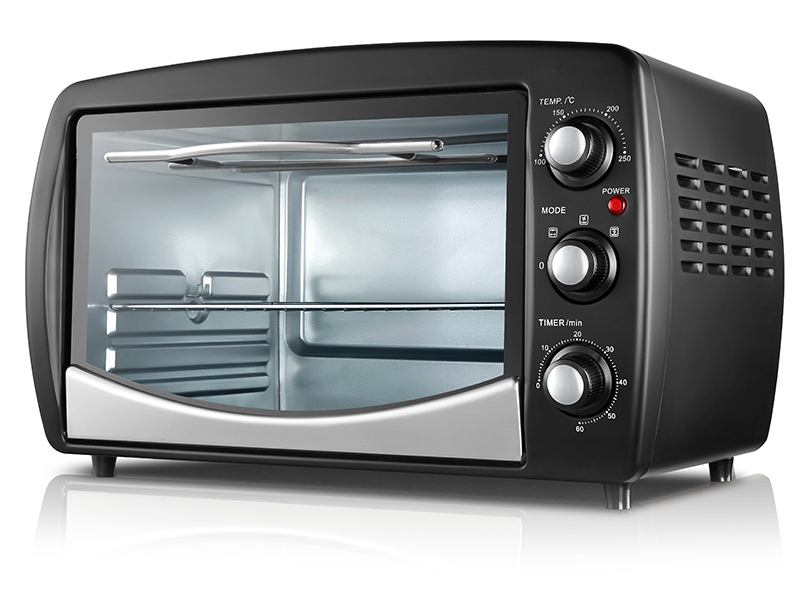
Selecting the right unit depends on your volume and menu.
Look for a commercial convection oven with a gentle fan setting. You need the even heat of true convection, but you do not want to blow the toppings off your pizzas or muffins.
If you roast meats, you want high velocity. The best convection oven for roasting has powerful fans that sear the exterior of meat quickly, locking in juices.
A unit with versatile controls is best. You want the ability to switch between conventional oven convection modes and standard modes. This flexibility allows you to handle everything from delicate meringues to hearty lasagnas.
When it comes to sourcing reliable kitchen equipment, brand reputation matters. You need a partner that understands the intricacies of how does a convection oven work.
[Chinaking Power] has established itself as a leader in kitchen manufacturing. We specialize in producing high-performance equipment designed for rigorous use. Our commercial convection oven models are engineered with precision airflow technology, ensuring that every rack cooks evenly. Whether you are upgrading your restaurant or outfitting a new bakery, [Chinaking Power] offers the durability and consistency professionals demand. We focus on creating the best convection oven solutions that maximize energy efficiency while delivering superior culinary results.
Trust [Chinaking Power] to elevate your cooking capabilities.
A convection oven uses hot air circulated by a fan to cook food from the outside in. This creates browning and crisping. A microwave uses electromagnetic waves to excite water molecules inside the food, cooking it from within. A commercial convection oven is superior for texture, while a microwave is purely for speed and reheating.
Yes, metal pans are actually preferred. Low-rimmed metal sheets allow the airflow to reach the food effectively. Ceramic or glass dishes can block the heat transfer that makes the best convection oven so efficient.
Yes. Because the heat transfer is more efficient, you should generally lower the suggested temperature by 25°F (approx. 15°C). You should also check the food about 20-25% sooner than the recipe states.
The fan eliminates the insulating layer of cold air around food. This speeds up cooking and ensures even browning. It transforms a standard heater into a high-efficiency cooking tool, similar to a commercial convection oven.
Some noise is normal due to the fan spinning. However, if you hear rattling or grinding, the fan blade might be loose or the motor bearing might be worn. In a commercial convection oven, this requires immediate service to prevent failure.
Yes, but with caution. The best convection oven will have a low fan setting. High fan speeds can dry out cakes or blow the batter sideways. True convection is excellent for multi-rack cake baking if the airflow is gentle.
Email: evelyn@chinakingstar.com
Phone: +86-750-2761363
