

Views: 0 Author: Site Editor Publish Time: 2026-04-01 Origin: Site
Stepping into a modern kitchen, you will likely notice a wide array of advanced cooking appliances. Among these, you might wonder, what is a convection oven? Cooking enthusiasts and professional chefs alike frequently praise this technology for its efficiency and consistent results. Whether you are looking at large commercial ovens or a compact mini oven for a small apartment, understanding how a convectional oven works can completely transform your culinary experience.
In this comprehensive guide, we will explore exactly what a convection oven is, how it operates, and why it might be the perfect addition to your home or business. We will look at various models, from large commercial ovens to the versatile mini oven, ensuring you have all the information needed to make an informed choice.
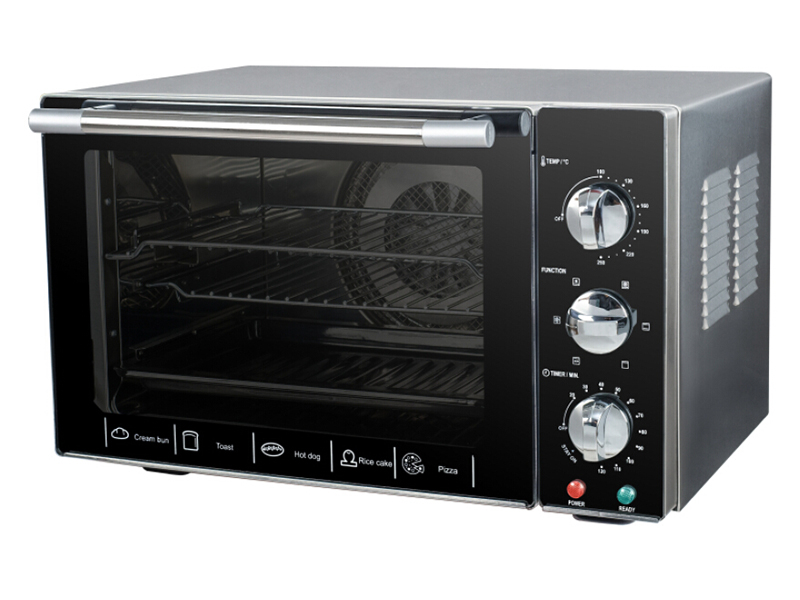
At its core, a convection oven is a cooking device that uses a fan and exhaust system to circulate hot air around the cavity of the oven. This is the primary feature that distinguishes a convectional oven from a traditional radiant oven. In a standard oven, heat simply rises from a stationary heating element at the top or bottom. This can lead to hot and cold spots. Conversely, a convectional oven constantly moves the hot air around the food.
Because of this constant circulation, a convectional oven cooks food more evenly and often more quickly than traditional alternatives. You will find this technology utilized in massive commercial ovens used by professional bakers, as well as in a convenient countertop mini oven used for quick, everyday meals. The basic principle remains exactly the same whether you are operating heavy-duty commercial ovens or a simple mini oven in a dorm room.
To truly understand what a convection oven is, we must look at the mechanics. When you turn on a convectional oven, the internal fan activates. This fan blows heated air directly onto the food, while the exhaust system pulls cooler air out. This continuous cycle creates a steady, even temperature throughout the cooking chamber.
For large-scale operations, commercial ovens rely heavily on this mechanism. When baking dozens of loaves of bread, commercial ovens must maintain strict temperature control, which the convection fan provides flawlessly. On the other end of the spectrum, a mini oven utilizing convection technology allows home cooks to quickly roast vegetables or bake small batches of cookies without preheating a massive appliance. A convectional oven effectively eliminates the stagnant air that surrounds food in a traditional oven, speeding up the cooking process.

When discussing convection cooking, it is helpful to look at the different sizes and applications available.
Commercial ovens are the backbone of restaurants, bakeries, and large catering businesses. These commercial ovens are designed to handle high volumes of food simultaneously. Because commercial ovens feature powerful convection fans, chefs can load multiple racks with food without worrying about the bottom rack burning while the top rack remains undercooked. The efficiency of commercial ovens saves time and energy, making them an indispensable tool in the food service industry. Modern commercial ovens are built for durability and continuous use, ensuring perfect results every time.
Not everyone has the space or need for large commercial ovens. This is where the mini oven shines. A mini oven is a smaller, countertop version of a standard oven, and many modern models function as a fully capable convectional oven. A mini oven is perfect for small kitchens, RVs, or simply as an additional cooking space when your main oven is full. Despite its small footprint, a convection mini oven can roast chicken, bake pizzas, and toast sandwiches with incredible efficiency. Many people find that their mini oven becomes their most frequently used kitchen appliance because it heats up quickly and uses less electricity.

To better illustrate the advantages of a convectional oven, please refer to the comparison table below. This table highlights the key differences between a standard traditional oven and a convectional oven (including both large commercial ovens and a smaller mini oven).
Feature | Traditional Oven | Convectional Oven (Commercial Ovens & Mini Oven) |
|---|---|---|
Air Circulation | Relies on natural heat radiation. | Uses a fan to actively circulate hot air. |
Cooking Speed | Standard cooking times. | Cooks up to 25% faster due to moving air. |
Temperature Consistency | Prone to hot and cold spots. | Even temperature throughout the entire oven cavity. |
Browning and Crisping | Moisture can stay in the oven, preventing crisping. | Exhaust system removes moisture, creating perfect crispiness. |
Energy Efficiency | Requires higher temperatures and longer times. | Often requires lower temperatures and shorter cooking times. |
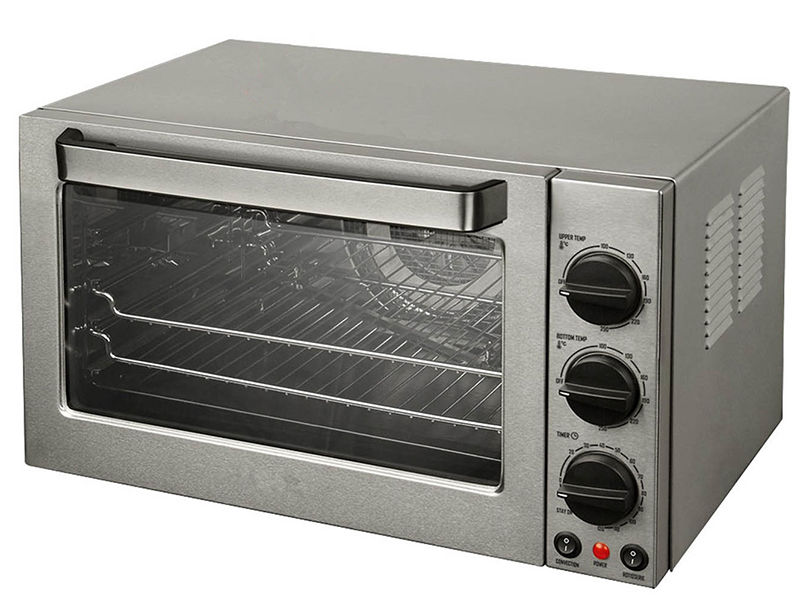
Using a convectional oven offers several distinct advantages that can elevate your cooking, whether you use a compact mini oven or industrial commercial ovens.
Because hot air is blowing directly onto the food, a convectional oven cooks items significantly faster than a regular oven. You can usually reduce cooking temperatures by 25 degrees Fahrenheit and cut cooking time by about 25 percent. This speed is a massive benefit for restaurants using commercial ovens and busy families using a quick mini oven for dinner.
Say goodbye to rotating pans halfway through the baking process. A convectional oven ensures that the hot air reaches every corner of the oven. This means whether you are using multi-level commercial ovens or a single-rack mini oven, your food will cook evenly on all sides.
If you love roasted meats and vegetables, a convectional oven is your best friend. The dry, circulating air in a convectional oven caramelizes the natural sugars in vegetables and renders the fat in meats beautifully. This creates a crispy exterior and a juicy interior. Even a basic convection mini oven can produce a roast chicken that rivals one cooked in high-end commercial ovens.
Bakers appreciate commercial ovens with convection settings because the consistent heat causes butter to release steam quickly, resulting in flaky pastries. While some delicate cakes might require the convection fan to be turned off to prevent the batter from blowing askew, a convectional oven is generally exceptional for cookies, pies, and breads.
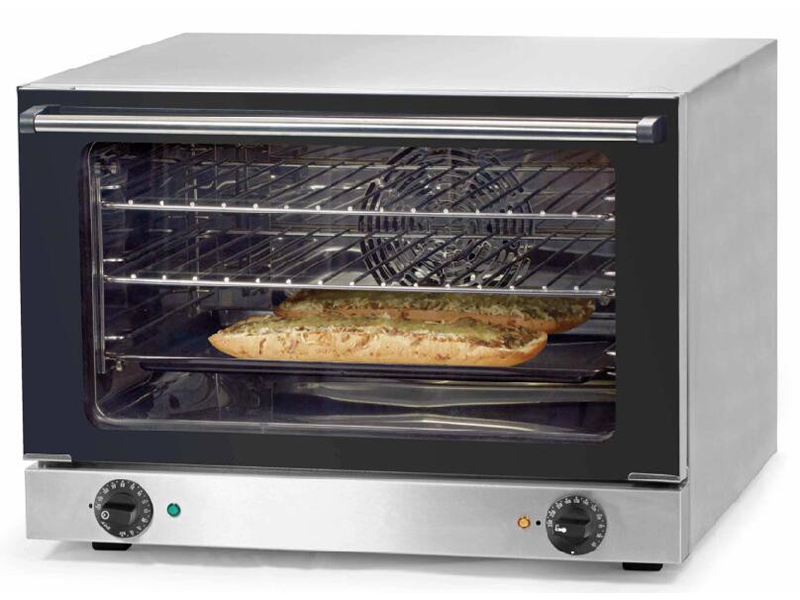
While a convectional oven is incredibly versatile, there are specific times when you might want to adjust your approach.
Use the convection setting for:
Roasting meats and vegetables (excellent in a mini oven).
Baking cookies and muffins on multiple racks (perfect for commercial ovens).
Toasting nuts or dehydrating fruit.
Cooking items in a covered dish.
Avoid the convection setting for:
Delicate foods that start as a liquid batter, such as custards, flans, and soufflés. The fan in a convectional oven can blow the batter and create lopsided results.
Breads that need a humid environment to rise properly before crusting over.
What is a convection oven, and how does it differ from a standard oven?
A convection oven features a fan and exhaust system that circulates heated air throughout the oven cavity. This is different from a standard oven, which relies solely on stationary heating elements. This technology is found in everything from large commercial ovens to a compact mini oven.
Can I use regular recipes in a convectional oven?
Yes, you can. However, because a convectional oven cooks faster and hotter due to circulating air, you should generally lower the recipe's recommended temperature by 25°F and check the food about 25% sooner than the recipe suggests.
Is a mini oven just as good as a full-sized convectional oven?
A convection mini oven uses the exact same principles as larger ovens. While it cannot hold as much food as commercial ovens, a mini oven is incredibly efficient and perfect for everyday baking, roasting, and toasting in smaller households.
Do all commercial ovens use convection technology?
While not absolutely all of them do, the vast majority of modern commercial ovens feature convection capabilities because of the need for speed, efficiency, and perfectly even cooking across multiple racks.
Does a convectional oven use more electricity?
Actually, a convectional oven often uses less energy overall. Because you are cooking at lower temperatures for shorter periods, whether you are running commercial ovens or a single mini oven, you generally save on energy consumption.
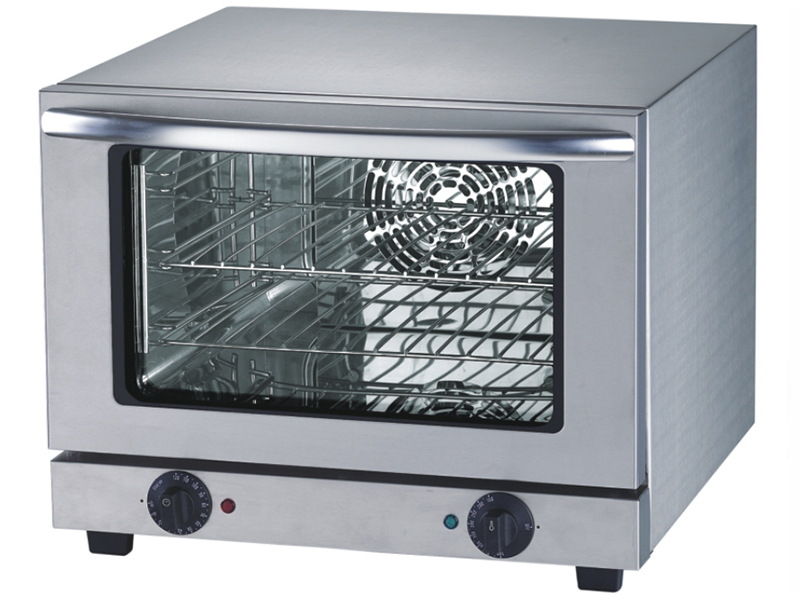
Understanding what a convection oven is opens up a world of culinary possibilities. By circulating hot air, a convectional oven ensures that your meals are cooked evenly, quickly, and with superior texture. From the robust power of commercial ovens used in bustling professional kitchens to the sheer convenience of a countertop mini oven in a studio apartment, this technology is designed to make cooking easier and more enjoyable.
Whether you are baking delicate pastries, roasting a hearty family dinner, or simply reheating a slice of pizza, a convectional oven provides consistent, reliable heat. If you are currently considering upgrading your kitchen equipment—whether you need heavy-duty commercial ovens or a highly efficient mini oven—we highly recommend king power. Known for their durability, precise temperature controls, and outstanding performance, king power ovens are a trusted and reliable choice for both culinary professionals and passionate home cooks.
Contact Information:
For more information or to inquire about our premium kitchen appliances, please reach out to us:
Email: evelyn@chinakingstar.com
Phone: +86-750-2761363
