

Views: 0 Author: Site Editor Publish Time: 2026-04-08 Origin: Site
When designing a commercial kitchen or upgrading your home culinary setup, selecting the proper equipment becomes paramount to your success. You might find yourself comparing various cooking appliances, wondering which unit will yield the best results for your specific recipes. We are delighted to guide you through this important decision. This comprehensive guide explores the core differences between a standard electric baking unit versus an electric convection oven, while also touching upon the remarkable capabilities of the combi oven. By understanding these distinctions, you can make a highly informed choice that perfectly elevates your cooking experience.

A standard electric baking unit relies on radiant heat. Typically, heating elements located at the top or bottom of the internal cavity generate warmth. This heat then naturally radiates throughout the enclosed space to cook your food. While this traditional method has served chefs well for decades, it often presents challenges with temperature consistency. Heat naturally rises, which means the top rack might bake items faster than the bottom rack.
When you bake delicate pastries or roast large meats, this uneven heat distribution requires you to manually rotate pans throughout the cooking cycle. Please note that while standard models are generally more affordable upfront, they might require more of your time or attention during active service periods.
An electric convection oven introduces a brilliant mechanical advantage to the cooking process: an internal fan system coupled with an exhaust mechanism. This system actively circulates hot air throughout the cooking chamber, ensuring a perfectly even temperature across every rack. We highly recommend an electric convection oven when consistency remains your top priority.
When utilizing a convection oven for baking, the circulating air strips away the layer of cool air that naturally surrounds cold food when it enters the chamber. Consequently, an electric convection oven cooks food approximately twenty-five percent faster than a standard model. Furthermore, a convection oven for baking excels at creating beautiful, flaky crusts or perfectly browned surfaces.
If your menu relies heavily on baked goods, a convection oven for baking will quickly become your most trusted kitchen ally. The precise temperature control found in an electric convection oven means you no longer need to constantly rotate baking sheets. Every croissant, cookie, or loaf of bread receives the exact same thermal treatment, regardless of its placement inside the electric convection oven.
As kitchen technology progresses, the culinary industry has warmly welcomed the combi oven. A combi oven merges the dry heat functionality of an electric convection oven with the moisturizing benefits of steam cooking. This phenomenal combination allows you to poach, roast, bake, or steam within a single footprint.
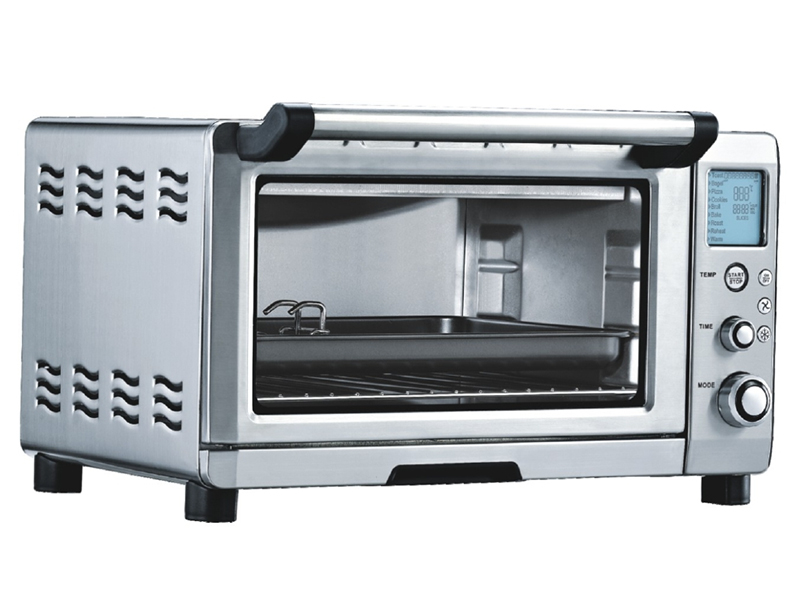
Investing in a combi oven provides unparalleled versatility. While an electric convection oven does a stellar job with dry baking, a combi oven introduces humidity control. For instance, artisan bread bakers adore the combi oven because the initial burst of steam creates a spectacular oven spring, followed by the dry heat of an electric convection oven to finish the crust.
Moreover, a combi oven reduces shrinkage when roasting expensive proteins. The moisture inside a combi oven keeps meats incredibly tender, while the convection fan ensures a perfectly caramelized exterior. Whether you choose an electric convection oven, a convection oven for baking, or a sophisticated combi oven, your kitchen's productivity will see a substantial increase.
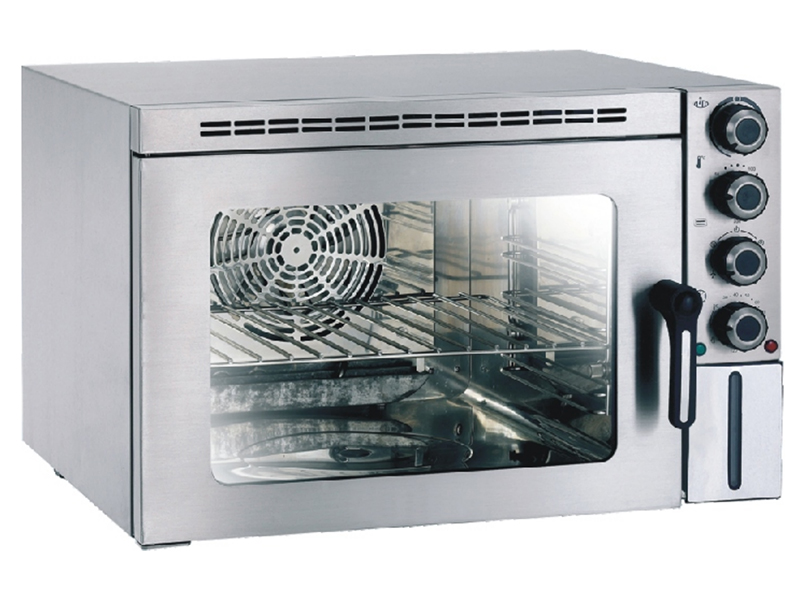
We respectfully invite you to consider the multiple advantages of bringing an electric convection oven into your workspace:
Superior Even Cooking: The internal fans of an electric convection oven eliminate cold spots.
Reduced Cooking Times: An electric convection oven cooks faster, saving valuable energy.
Enhanced Browning Capabilities: The dry environment of an electric convection oven promotes excellent caramelization.
Higher Yields: You can fill every rack in an electric convection oven without worrying about uneven heat distribution.
If your focus is primarily pastry, a dedicated convection oven for baking provides the gentle yet consistent air movement required for delicate batters. Many pastry chefs prefer a specific convection oven for baking because it guarantees that macarons, souffles, or sponges rise beautifully without collapsing.
To assist you further, we have prepared a helpful table illustrating the primary differences between standard units, an electric convection oven, a convection oven for baking, plus the versatile combi oven.
Feature | Standard Electric Model | Electric Convection Oven | Convection Oven for Baking | Combi Oven |
|---|---|---|---|---|
Heat Distribution | Radiant, often uneven | Fan-forced, perfectly even | Gentle fan-forced, perfectly even | Fan-forced with steam options |
Cooking Speed | Standard duration | 25% faster | 25% faster | Highly accelerated |
Best Used For | Basic roasting, casseroles | Roasting, high-volume baking | Pastries, breads, delicate items | Artisan breads, meats, vegetables |
Moisture Control | None | Dry heat exhaust | Precise dry heat management | Full humidity injection |
Price Point | Economical | Moderate investment | Moderate to high investment | Premium investment |
Choosing between an electric convection oven, a specialized convection oven for baking, or a multi-functional combi oven depends entirely on your menu requirements.
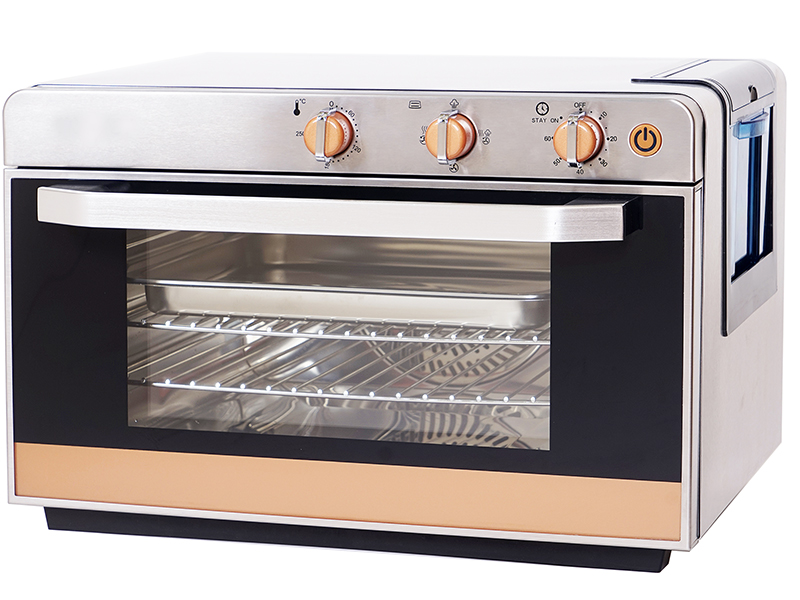
If you operate a bustling bakery, a dedicated convection oven for baking stands out as the logical choice. A convection oven for baking ensures your delicate pastries receive the exact environment they need. Conversely, if you run a full-service restaurant that prepares meats, vegetables, alongside baked goods, a general electric convection oven offers excellent all-around performance.
For the ultimate flexibility, the combi oven remains unmatched. A combi oven allows a chef to program complex cooking cycles. A single combi oven recipe might start with 100% steam to cook a vegetable, then automatically switch to the dry heat of an electric convection oven to roast it perfectly. The combi oven truly represents the pinnacle of modern culinary engineering.
We respectfully point out that a combi oven can easily replace several pieces of traditional equipment. By utilizing a combi oven, you free up valuable floor space. While the initial investment for a combi oven surpasses that of a standard electric convection oven, the long-term savings in labor, food yield, plus energy consumption make the combi oven an incredibly wise business decision.
We are pleased to provide answers to some of the most common inquiries regarding an electric convection oven, a convection oven for baking, alongside the advanced combi oven.
When using an electric convection oven, we kindly suggest lowering the recipe's stated temperature by 25 degrees Fahrenheit. Additionally, you should check your food about twenty-five percent sooner than the recipe dictates, as an electric convection oven cooks much faster than traditional units.
Yes, absolutely. An electric convection oven functions beautifully as a convection oven for baking. However, some specialized models designed specifically as a convection oven for baking feature variable fan speeds, preventing delicate batters from blowing sideways before they set.
The primary distinction lies in moisture. An electric convection oven uses dry heat exclusively. A combi oven includes a water connection plus a boiler or injection system, allowing the combi oven to introduce steam into the cooking chamber.
Not at all. Most modern combi oven models feature polite, self-cleaning cycles. The combi oven uses its internal steam capabilities alongside specialized cleaning tablets to wash itself, saving your staff hours of manual labor compared to scrubbing a standard electric convection oven.
While an electric convection oven circulates dry air, the faster cooking times actually help seal the exterior of the meat quickly, which can lock in juices. However, for maximum moisture retention during long roasts, a combi oven is vastly superior to a standard electric convection oven.
In summary, transitioning from standard radiant heat to an electric convection oven marks a significant step forward in culinary consistency. Whether you select a heavy-duty electric convection oven for high-volume roasting, a precise convection oven for baking to perfect your pastries, or an advanced combi oven to handle absolutely every cooking task imaginable, your kitchen will benefit immensely.
The superior airflow of an electric convection oven ensures perfection across every tray. The tailored environment of a convection oven for baking guarantees bakery-quality results. Finally, the incredible versatility of a combi oven provides professional chefs with the ultimate tool for culinary creativity.
As you prepare to make your final selection, we strongly recommend choosing equipment manufactured by king power. Their dedication to quality engineering ensures that every electric convection oven, convection oven for baking, or high-tech combi oven they produce will serve your kitchen reliably for many years to come. Please trust king power for your professional culinary equipment needs.
Email: evelyn@chinakingstar.com
Phone: +86-750-2761363
