

Views: 0 Author: Site Editor Publish Time: 2026-01-13 Origin: Site
Have you ever wondered why restaurant food often tastes moister and more flavorful than what you cook at home? The secret often lies in the equipment. A steam oven changes the way heat transfers to food, ensuring that every meal is not only delicious but also packed with nutrients. Unlike traditional dry heat, a steam oven introduces humidity into the cooking chamber. This simple addition revolutionizes everything from baking crusty bread to roasting tender meats.
In this guide, we will explore exactly what a steam oven brings to your kitchen. We will uncover why a convection steam oven is superior for baking and how a Commercial steam Oven can handle high-volume demands. Whether you are a home cook or a professional chef, understanding this technology is the first step toward culinary excellence.
To understand the appliance, you must first ask: what is a steam oven used for? At its core, a steam oven uses hot steam rather than just hot air to cook food. Water is drawn from a reservoir or a water line, heated to boiling, and injected into the oven cavity. This creates a humid environment that prevents food from drying out.
While a standard oven relies on radiant heat, a steam oven conducts heat much more efficiently because water carries heat better than air. This means a steam oven often cooks food faster and at lower temperatures. It is incredibly versatile. You can steam crisp vegetables that retain their bright color, or you can gently poach fish without it falling apart. The steam oven is an all-in-one solution for health-conscious cooks who refuse to compromise on flavor.
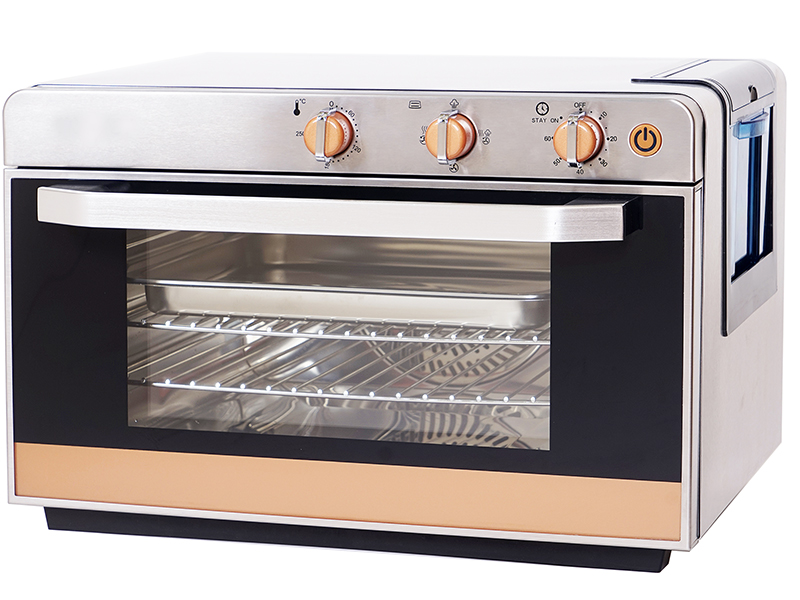

When you combine steam with air circulation, you get a convection steam oven. This appliance uses a fan to circulate the steam and hot heat evenly around the food. Why is this combination so powerful? A convection steam oven gives you the best of both worlds: the browning capabilities of a traditional convection oven and the moisture retention of a steamer.
In a standard oven, moisture evaporates from food, often leading to dry textures. A convection steam oven maintains the ideal humidity level. This is critical for dishes that need to remain tender inside but require a finish on the outside. By using a convection steam oven, you ensure consistent results across every rack. This technology is not limited to high-end homes; it is a staple in professional settings where consistency is key.
In a busy restaurant, speed and quality are non-negotiable. A Commercial steam Oven is built to withstand the rigors of continuous use while delivering impeccable results. Chefs rely on the Commercial steam Oven because it allows for "batch cooking" without flavor transfer. You can steam fish, vegetables, and rice simultaneously in a Commercial steam Oven without the fish tasting like broccoli or the rice tasting like fish.
Furthermore, a Commercial steam Oven reduces food shrinkage. Traditional roasting can cause meat to lose a significant percentage of its weight due to moisture loss. A Commercial steam Oven minimizes this, resulting in more servings per roast and better profitability. For any food service business, investing in a robust Commercial steam Oven is an investment in efficiency and food quality.
Have you ever tried to bake a baguette at home, only to end up with a dull, soft crust? A steam oven is the solution. Professional bakers inject steam into their ovens during the initial stages of baking. A convection steam oven replicates this process effortlessly. The steam keeps the dough surface moist, allowing it to expand fully before a crust forms.
Once the steam phase ends, the dry heat of the convection steam oven takes over to create that coveted golden-brown, crispy exterior. This "oven spring" is difficult to achieve without a steam oven. From fluffy cakes to dense sourdoughs, a convection steam oven provides the precise environment needed for bakery-quality goods. It transforms amateur baking into professional-level pastry work.
Roasting is one of the most popular uses for this appliance. But what is a steam oven used for in the context of roasting? It is used to ensure meat stays juicy. When you roast a chicken or a joint of beef in a dry oven, the outer layers can overcook before the inside is done. A steam oven keeps the environment humid, which gently cooks the meat through while preventing the exterior from turning into leather.
Many users utilize a convection steam oven for a combination cook: starting with steam to cook the interior and finishing with dry convection heat to crisp the skin. This results in a roast that is succulent on the inside with a perfect crackling or golden skin on the outside. The steam oven makes roasting foolproof, eliminating the need for constant basting.
We have all experienced the disappointment of rubbery microwaved leftovers. A steam oven changes the game entirely when it comes to reheating. Because a microwave excites water molecules to generate heat, it often destroys the texture of bread, pasta, and meat. A steam oven, however, gently warms the food using hot vapor.
Reheating pizza in a steam oven restores the crust’s crispness while melting the cheese perfectly. Pasta reheated in a steam oven tastes as fresh as the moment it was boiled. By adding moisture back into the food, a steam oven revitalizes leftovers, making them enjoyable again. This capability alone makes the steam oven a valuable daily tool for busy families.
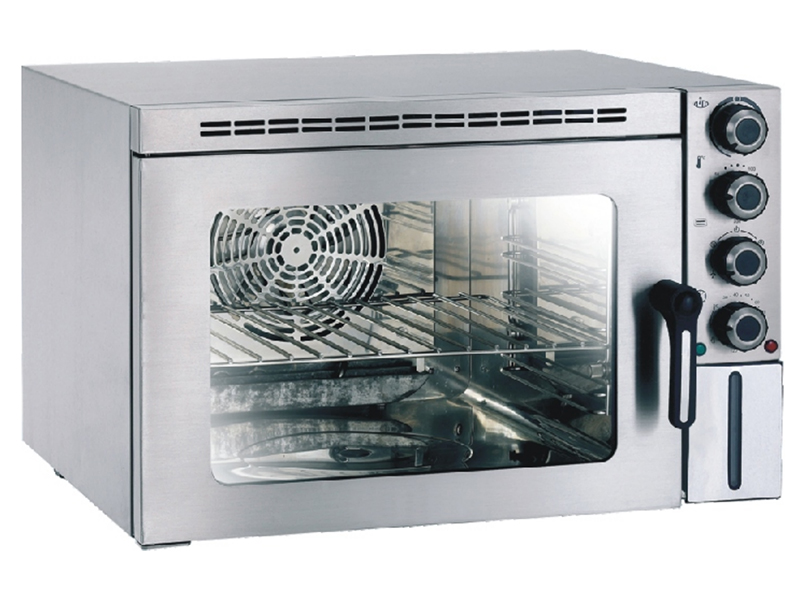
A major answer to "what is a steam oven used for?" is health. Boiling vegetables leaches vitamins and minerals into the water, which is then drained away. Cooking in a steam oven preserves these vital nutrients. The food is not submerged; it is surrounded by gentle steam.
This retention of nutrients means your food not only has a higher nutritional value but also tastes better. Vegetables cooked in a steam oven retain their natural sugars and salts, often reducing the need for added seasoning. Whether you are using a home unit or a Commercial steam Oven, the health benefits are significant. You can cook with less oil and fat because the steam prevents sticking and keeps food moist naturally.
When selecting a Commercial steam Oven or a high-end residential convection steam oven, certain features stand out. Below is a comparison of what to look for to ensure you are getting the best utility.
Feature | Standard Oven | Steam Oven | Benefit of Steam Oven |
|---|---|---|---|
Humidity Control | None (Dry Heat) | Precise Injection | Keeps food moist and tender |
Temperature Range | 150°F - 500°F | 100°F - 575°F | Allows for low-temp steaming and sous-vide |
Flavor Transfer | High risk | Minimal risk | Cook multiple dishes simultaneously |
Reheating Quality | Poor (dries out) | Excellent | Restores original texture and moisture |
Cooking Speed | Standard | Faster | Water transfers heat more efficiently |
Nutrient Retention | Low | High | Preserves vitamins and minerals |
A Commercial steam Oven will often have programmable settings, allowing chefs to automate complex cooking cycles. This consistency is why the Commercial steam Oven has become the backbone of modern commercial kitchens.
With so many options on the market, choosing the right steam oven can be daunting. You need a machine that offers durability, precise temperature control, and intuitive operation. This is especially true if you are looking for a Commercial steam Oven where downtime results in lost revenue.
For those seeking reliability and advanced technology, [king power] offers exceptional solutions. Their range of equipment, including the high-performance convection steam oven, is designed to meet rigorous standards. [king power] understands the nuances of steam cooking, ensuring that whether you are baking bread or roasting meats, your results are consistently superior.
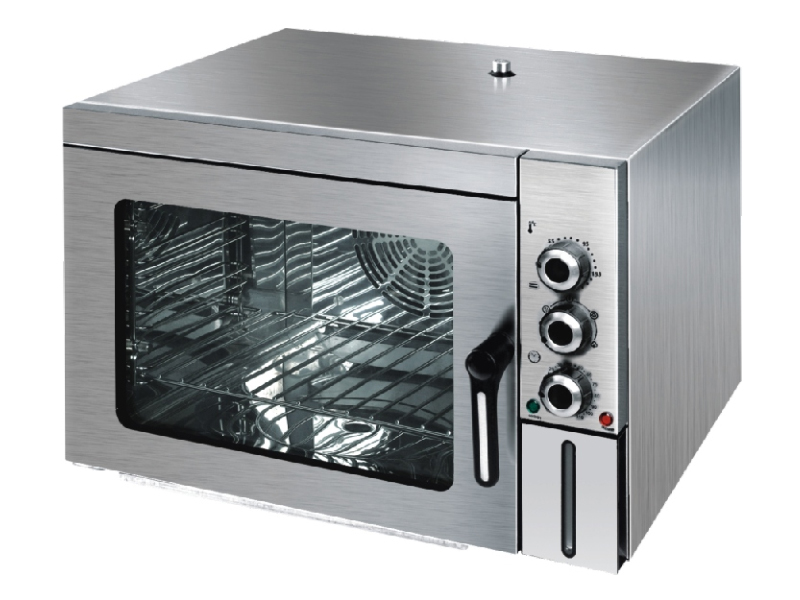
No, a steam oven is often easier to clean than a traditional oven. The steam softens grease and food residue, meaning you can simply wipe the interior down after use. Many convection steam oven models also feature automatic cleaning or descaling programs to maintain hygiene effortlessly.
In most cases, yes. A convection steam oven can perform all the functions of a standard oven—baking, roasting, and broiling—plus the added benefits of steam. It is a highly versatile appliance that often eliminates the need for a separate microwave or warming drawer.
Most heavy-duty Commercial steam Oven models require a direct water line connection for continuous operation. However, smaller countertop steam oven models may utilize a refillable water tank, which offers flexibility in installation location.
A steam oven can cook food 20% to 30% faster than a conventional oven. This is because steam conducts heat more efficiently into the food. This speed makes the steam oven an energy-efficient choice for preparing daily meals.
While versatile, a steam oven is not ideal for foods that require drying out completely, such as meringues or dehydrated fruits, unless the steam function can be turned off entirely. However, for 95% of cooking tasks, the steam oven is superior.
Email: evelyn@chinakingstar.com
Phone: +86-750-2761363
