

Views: 0 Author: Site Editor Publish Time: 2026-01-28 Origin: Site
Have you ever wondered how professional kitchens maintain such high levels of organization during a busy service? The secret often lies in a standardized system known as Gastronorm. Whether you run a bustling cafeteria, a high-end restaurant, or a catering business, efficiency is paramount. This is where the GN pan comes into play. These containers are not merely metal boxes; they are the fundamental building blocks of modern commercial food service.
What is a Gastronorm pan used for? It serves as a universal tool for storage, preparation, cooking, and transportation. By utilizing a standardized sizing system, a GN pan allows chefs to move food seamlessly from a refrigerator to an oven and finally to a service line without changing containers. This article explores the extensive utility of Gastronorm containers, the variety of pan sizes available, and why they remain indispensable for culinary professionals.
Why was this system created in the first place? The term Gastronorm originates from Switzerland and was adopted as the European standard EN 631. Its primary purpose is to simplify the exchange of containers between different pieces of kitchen equipment. Before this standard, a pan that fit in the sink might not fit in the oven, and a container that fit in the fridge might not fit in the buffet server.
The Gastronorm system eliminates this chaos. It ensures that trays, pans, and containers are manufactured to precise dimensions. Because of this uniformity, a GN pan fits perfectly into racks, trolleys, warmers, and blast chillers regardless of the manufacturer. This interoperability is the core reason why the GN pan is a global staple. When you invest in Gastronorm equipment, you are investing in a modular system designed to maximize space and reduce workflow friction.
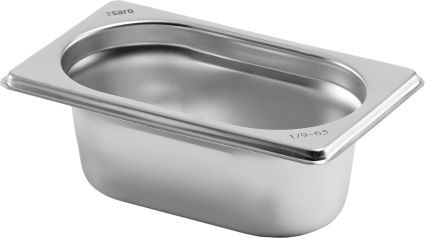

How does a chef prep ingredients efficiently without a GN pan? It is nearly impossible in a high-volume setting. During the mise en place phase, chefs chop vegetables, marinate meats, and portion sauces. A GN pan is the ideal vessel for holding these ingredients. Because pan sizes vary significantly, a cook can select the exact size needed for the task at hand.
For example, a chef might use a large GN pan for holding chopped romaine lettuce and smaller pan sizes for garnishes like croutons or parmesan cheese. The rectangular shape of a GN pan maximizes the usage of countertop space compared to round bowls. This geometric efficiency allows kitchen staff to arrange their workstations logically, keeping all necessary ingredients within arm's reach.
Is there any piece of equipment where a GN pan does not fit? The versatility of the Gastronorm standard means these containers appear everywhere. You will find them inside convection ovens, slotted into bain-maries, stacked in walk-in freezers, and lined up in salad bars.
One of the primary uses for a GN pan is in cooking. Stainless steel Gastronorm pans are built to withstand high temperatures, allowing food to be roasted or baked directly in the container. Once the cooking process finishes, that same GN pan can be transferred directly to a hot holding cabinet or a steam table. This reduces the need to wash multiple pots and pans, thereby saving water and labor. The Gastronorm system essentially bridges the gap between different zones of the kitchen.
How do you decipher the fractional language of pan sizes? The Gastronorm system relies on a base size known as GN 1/1. All other pan sizes are fractions or multiples of this base unit. Understanding these dimensions is crucial for maximizing storage capacity and ensuring your equipment is compatible.
A GN 1/1 pan measures 530 x 325 mm. From there, the system divides. A GN 1/2 pan is half the size of the base, meaning two 1/2 pans fit into the same space as one 1/1 pan. This modularity allows chefs to configure their steam tables or shelving units in endless combinations. You could fill a food warmer with one large GN pan or a mix of smaller pan sizes to offer a wider variety of dishes.
GN Size | Dimensions (mm) | Common Usage |
|---|---|---|
GN 2/1 | 650 x 530 | Large roasts, bulk storage, transport |
GN 1/1 | 530 x 325 | Main dishes, baking, buffet chafers |
GN 1/2 | 325 x 265 | Side dishes, salads, smaller entrees |
GN 1/3 | 325 x 176 | Sauces, vegetables, toppings |
GN 1/4 | 265 x 162 | Salad bar ingredients, garnishes |
GN 1/6 | 176 x 162 | Condiments, dressings, sandwich stations |
GN 1/9 | 176 x 108 | Spices, herbs, very small garnishes |
By utilizing different pan sizes, a kitchen manager can optimize every inch of available space.
Does the material of the pan matter for your specific application? Yes, it does. While the dimensions of pan sizes are standardized, the materials used to create a GN pan vary based on intended use.
Stainless Steel: This is the workhorse of the Gastronorm world. A stainless steel GN pan is durable, heat-resistant, and perfect for cooking and hot holding. It resists corrosion and conducts heat efficiently.
Polycarbonate: These are transparent, tough plastic containers. They are excellent for cold storage because they allow chefs to see the contents without opening the lid. However, they are generally not suitable for ovens.
Polypropylene: A cost-effective alternative for cold storage. These pan sizes often come with airtight lids, making them ideal for preserving freshness in the refrigerator.
Melamine and Ceramics: These are typically used for presentation. A melamine GN pan looks elegant on a buffet line but cannot withstand the high heat of an oven.
Choosing the right material ensures your GN pan lasts longer and performs well under specific conditions.
Have you ever struggled with limited storage space? This is a universal challenge in food service. A major design feature of the GN pan is its stackability. Manufacturers often design these pans with anti-jamming ridges. This allows multiple pans of the same size to be stacked inside one another without getting stuck.
When not in use, a stack of fifty GN pan units might occupy the same footprint as a single pan. When full, lids allow them to be stacked securely on top of each other in a cold room. This vertical storage capability is vital for businesses operating in tight quarters. The Gastronorm design ensures that efficient storage is maintained regardless of which pan sizes you own.


Can a standardized pan system actually help prevent food poisoning? Absolutely. The Gastronorm system supports rigorous hygiene protocols. Because a GN pan is easy to clean and often dishwasher safe, it prevents bacterial buildup.
Furthermore, the integration of pan sizes with specialized lids helps prevent cross-contamination. Color-coded clips or lids can be used on a GN pan to designate raw meats, cooked foods, or allergens. Because the pans transfer directly from storage to cooking to service, human contact with the food is minimized. Less handling means a lower risk of contamination.
What if you need to steam vegetables or drain liquids? A perforated GN pan is the answer. These pans follow the same Gastronorm sizing standards but feature holes in the bottom or sides.
Chefs use perforated pan sizes for steaming fish or vegetables in combi-ovens. The holes allow steam to circulate evenly around the food. They are also essential for draining washed salad greens or holding foods that release liquid, preventing the dish from becoming soggy. A perforated GN pan can often be inserted into a solid GN pan of the same size to catch the drainage, keeping the workspace clean.
Where should you look for reliable Gastronorm solutions? When outfitting a professional kitchen, quality is non-negotiable. Poorly made pans warp in the oven or have sharp edges that injure staff. You need a manufacturer that understands the rigorous demands of the industry.
Chinaking Power stands out as a premier provider of high-quality Gastronorm containers. They specialize in manufacturing durable, standard-compliant GN pan products that withstand the daily abuse of a commercial kitchen. Whether you need stainless steel for roasting or polycarbonate for cold storage, Chinaking Power offers a comprehensive range of pan sizes to fit your specific needs. Their commitment to precision manufacturing ensures that every GN pan fits perfectly into your existing equipment.
By choosing Chinaking Power, you ensure your kitchen operates with the efficiency and safety that modern food service demands.

It depends on the material. A stainless steel GN pan can typically handle extreme temperature changes, moving from a freezer to an oven safely. However, plastic or melamine pans may crack or melt. Always check the manufacturer's specifications for your specific pan sizes.
You measure the outer dimensions of the rim. The Gastronorm standard (EN 631) dictates the length and width of the outer edge so it sits in the rack. Depth is also a factor; pan sizes usually come in depths ranging from 20mm to 200mm.
Neither is strictly "better"; they serve different purposes. Stainless steel is superior for cooking and heating. Polycarbonate is superior for cold storage and identification because it is clear. A well-equipped kitchen utilizes both types of Gastronorm pans.
Ideally, yes. Since Gastronorm is a universal standard, a GN pan from one brand should fit into a rack from another. However, slight variations in corner radius or stacking ridges can sometimes prevent pans from different brands from stacking neatly together.
The GN 1/1 is the most common standard. It serves as the reference point for ovens, fridges, and chafing dishes. Most equipment is built to accommodate the GN 1/1 GN pan or multiples of it.
Email: evelyn@chinakingstar.com
Phone: +86-750-2761363
