

Views: 0 Author: Site Editor Publish Time: 2026-06-26 Origin: Site
Quick answer:
Gastronorm is a European standard (EN 631) that defines the dimensions of food containers and pans used in commercial kitchens. The base size, GN 1/1, measures 530 × 325 mm. Every other size is a fraction or multiple of this, so containers fit ovens, fridges, and counters without gaps or guesswork.
If you run a busy commercial kitchen, you know how much time gets lost when containers don't fit your equipment. Mismatched trays slide around in ovens. Pans don't stack in the fridge. Buffet inserts leave awkward gaps in serving counters. The solution is a measurement system that nearly every manufacturer already follows.
This system, known as gastronorm, gives kitchens a shared language for sizing. Once you understand how it works, ordering equipment becomes simpler, storage gets tidier, and your workflow speeds up. Below, you'll find a breakdown of the standard sizes, the depths available, the materials worth considering, and answers to the questions chefs ask most.

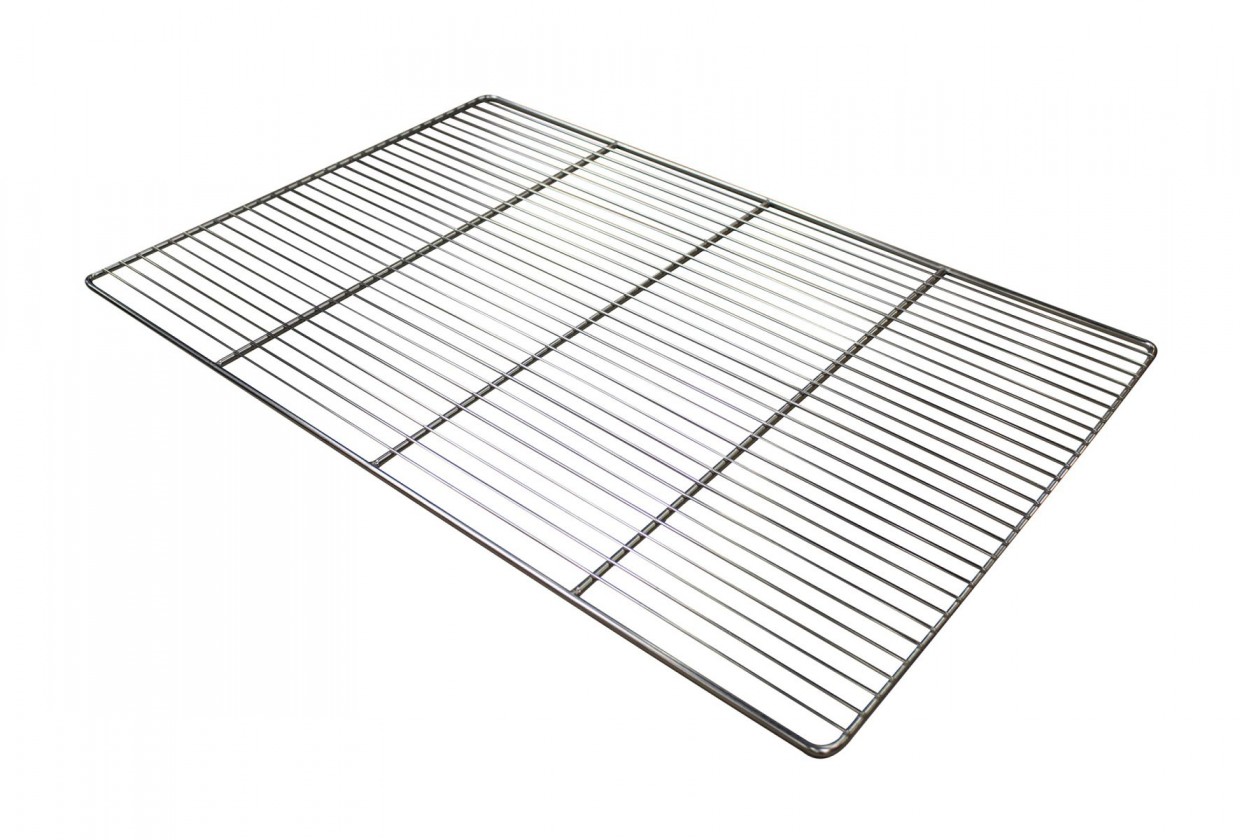
The standard was introduced in Switzerland in 1964 and later adopted across Europe as EN 631. It sets fixed length and width measurements for food pans, trays, and containers. The goal is interoperability: a pan made by one company will fit the oven rack, refrigerated drawer, or bain-marie made by another.
The reference size is the full-size unit, written as GN 1/1, which measures 530 × 325 mm. Smaller sizes are expressed as fractions of that area—1/2, 1/3, 1/4, and so on. Larger formats, like 2/1, double the footprint for high-volume cooking and display.
Because the system is fraction-based, multiple smaller pans combine to fill the same opening as one larger pan. Two 1/2 pans, for example, occupy the same space as a single 1/1 unit. This modularity is what makes the standard so useful for mixed menus and tight prep schedules.
The table below lists the most common formats and their nominal dimensions in millimeters. Keep in mind that actual pan dimensions sit a few millimeters under the nominal figure to allow for overlap and a secure fit.
Size | Nominal dimensions (mm) | Common uses |
|---|---|---|
GN 2/1 | 650 × 530 | Bulk roasting, large-batch storage |
GN 1/1 | 530 × 325 | All-purpose cooking and holding |
GN 1/2 | 325 × 265 | Side dishes, sauces, mid-volume prep |
GN 1/3 | 325 × 176 | Toppings, garnishes, salad bars |
GN 1/4 | 265 × 162 | Condiments, small portions |
GN 1/6 | 176 × 162 | Spices, dips, single-serve items |
GN 1/9 | 176 × 108 | Garnish stations, tiny portions |
These footprints stay constant no matter how deep the container is. That consistency is the backbone of every gastronorm-compatible counter, oven, and chiller on the market.
Depth is the second dimension that defines a pan's volume. While the length and width follow the fraction system, depth is standardized separately, usually in 20 mm, 40 mm, 65 mm, 100 mm, 150 mm, and 200 mm options.
A shallow 20 mm pan suits delicate items like pastries or fish fillets. A deep 200 mm pan holds soups, stocks, and large quantities of sauce. Choosing the right depth helps you control portion volume, reduce waste, and avoid overfilling.
Here's a practical rule: pick the shallowest depth that holds your portion comfortably. Shallower pans heat and chill faster, which improves food safety and energy use. Reserve the deepest options for liquids and bulk holding.
Most commercial pans come in stainless steel, polycarbonate, or polypropylene. Each suits a different stage of the kitchen workflow.
Stainless steel handles direct heat, ovens, and bain-maries. It's durable, easy to sanitize, and the standard choice for cooking and hot holding.
Polycarbonate is clear and impact-resistant, making it ideal for cold storage where staff need to see contents at a glance.
Polypropylene offers a budget-friendly option for dry storage and prep, though it tolerates less heat than the other two.
For kitchens that move pans between the oven and the chiller, stainless steel paired with a clear polycarbonate lid is a reliable combination. Choose stainless if heat resistance matters more than visibility; choose polycarbonate if quick visual checks matter more than oven use.


The real payoff of the standard shows up in daily operations. When every container shares the same footprint, you stop wasting time fitting square pegs into round holes.
Storage becomes predictable. Pans stack cleanly in refrigerators and shelving designed to the same spec. Service speeds up because inserts drop straight into prep tables and buffet wells. Ordering gets easier too, since replacement gastronorm pans from any compliant supplier will fit your existing setup.
There's a cost angle as well. Standardized sizing reduces the number of unique spare parts you need to keep. One depth and size can serve several roles, which trims inventory and simplifies training for new staff.
Start by mapping your menu to volume. High-turnover dishes belong in larger formats, while garnishes and condiments fit the smaller fractions. Then match depths to portion sizes, keeping liquids in deeper pans and solids in shallower ones.
Next, audit your existing equipment. Confirm your ovens, refrigeration, and serving counters are built to the European spec—most professional models are. From there, build a core set of full-size and half-size units, then add smaller fractions as your menu demands.
Finally, think in modules. Because a single full-size opening accepts a mix of smaller pans, you can reconfigure a counter for breakfast, lunch, and dinner using the same hardware. A reliable gn pan lineup gives you that flexibility without buying separate systems for each service.
What is the most common gastronorm size?
The GN 1/1 full-size pan, measuring 530 × 325 mm, is the most widely used. It serves as the reference for the entire system and fits the majority of commercial ovens, counters, and refrigeration units.
Are gastronorm pans the same as hotel pans?
They serve the same purpose but follow different standards. Gastronorm follows the European EN 631 spec, while "hotel pans" usually refer to the North American Steam Table standard. The two are similar in concept but not always interchangeable in dimensions.
How deep can the pans go?
Standard depths range from 20 mm up to 200 mm. The shallowest suit delicate or thin items, while the deepest hold soups, stocks, and bulk liquids. Choosing the shallowest workable depth speeds up heating and chilling.
Can different sizes fit in the same equipment opening?
Yes. That's the core benefit of the fraction system. A single full-size opening can hold one full pan, two half pans, three one-third pans, or a mix—so you can reconfigure counters and racks without new hardware.
Which material should I buy first?
Stainless steel is the safest first purchase because it works in ovens, bain-maries, and cold storage. Add polycarbonate later for visible cold storage if your workflow needs quick content checks.
Adopting the gastronorm system removes guesswork from buying, storing, and serving. Map your menu to the right sizes and depths, pick materials that match each task, and standardize your equipment around the European spec. The result is a kitchen that runs faster, wastes less, and scales with your menu. Review your current pans this week, identify the gaps, and build a core set you can grow from.
