

Views: 0 Author: Site Editor Publish Time: 2026-02-02 Origin: Site
Have you ever pulled a roast out of the oven only to find it dry and flavorless? Or perhaps you struggle to reheat meals without turning them into rubbery disappointments? These are common culinary frustrations that standard appliances often fail to solve. This brings us to a pressing question in the culinary world: is a steam oven really worth it? The answer is a resounding yes.
Steam ovens represent a significant leap forward in cooking technology. Unlike traditional methods that rely on dry heat, a steam cooking oven utilizes hot pressurized steam to cook food. This method preserves moisture, enhances flavor, and retains vital nutrients that are often lost during boiling or roasting. Whether you are a home cook looking to elevate your family dinners or a business owner considering a commercial steam oven, the benefits are undeniable.
In this article, we will explore exactly why steam ovens are transforming kitchens globally. We will look at how a steam cooking oven operates, the specific advantages of using a commercial steam oven for business, and why investing in this technology is a smart financial and culinary decision.
The surge in popularity of steam ovens is not just a passing trend. It is a response to a growing demand for healthier, faster, and more efficient cooking methods. Traditional ovens circulate dry, hot air. While effective for browning, this dry air inevitably draws moisture out of food. A steam cooking oven solves this problem by introducing humidity into the cooking chamber.
When you cook with steam ovens, you are surrounding your ingredients with moisture. This prevents the food from drying out, meaning your meats stay tender and your vegetables remain crisp and vibrant. For anyone serious about food quality, the superiority of a steam cooking oven becomes apparent after the very first use.
Furthermore, versatility drives the adoption of these appliances. Modern steam ovens can do much more than just steam vegetables. They can defrost, reheat, proof dough, and even cook delicate custards without the need for a water bath. If you are running a kitchen that values consistency, a commercial steam oven offers precise temperature control that standard units simply cannot match. The ability to cook multiple dishes simultaneously without flavor transfer is another reason why steam ovens are becoming essential.
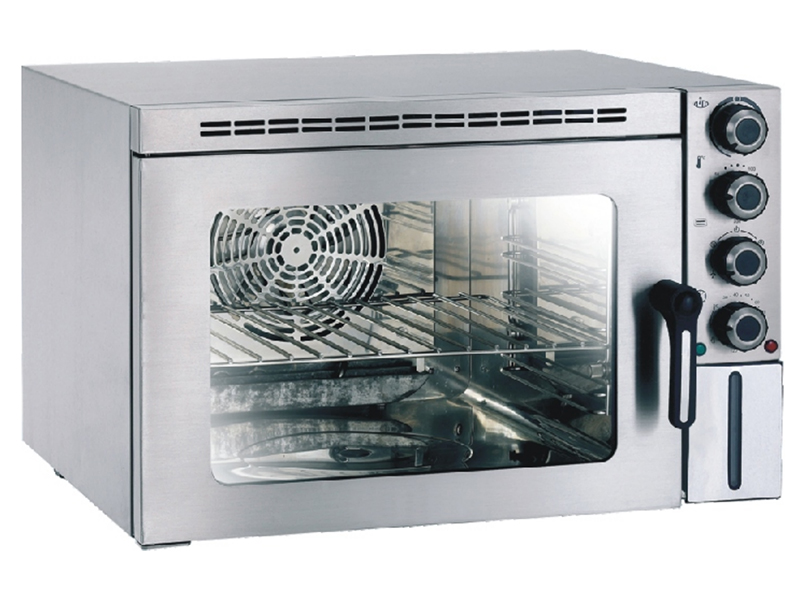
To understand the value, we must ask: how does the technology inside a steam cooking oven function? At its core, the mechanism is simple yet brilliant. Water is drawn from a reservoir or a direct water line into a boiler. This water is heated until it turns into steam, which is then injected into the oven cavity.
In a commercial steam oven, this process is often turbocharged. These units are designed to generate massive amounts of steam quickly, ensuring that the cooking environment is consistent from the moment the door closes. The steam transfers heat more efficiently than air. This is because water is a better conductor of heat than air is. Consequently, steam ovens often cook food significantly faster than their convection counterparts.
This efficiency is crucial. When using a steam cooking oven, you are not just cooking with heat; you are cooking with energy-rich vapor. This allows for lower cooking temperatures, which is gentler on the food’s cellular structure. This is why a fillet of fish cooked in a commercial steam oven retains its delicate texture, whereas it might flake apart or dry out in a standard oven. The engineering behind steam ovens ensures that the heat penetrates the food evenly, eliminating cold spots and the need for constant rotation.
Why do health-conscious individuals prioritize steam ovens? The primary reason lies in nutrient retention. Boiling vegetables is one of the most common cooking methods, yet it is also one of the most destructive to vitamins. Water-soluble vitamins like Vitamin C and B leach out into the boiling water, which is then poured down the drain.
A steam cooking oven prevents this loss. Because the food is not submerged in water, these vital nutrients remain within the vegetable. Studies have shown that steaming preserves significantly higher levels of antioxidants and vitamins compared to boiling or microwaving. If you are using a commercial steam oven in a healthcare facility or a health-focused restaurant, this benefit is a major selling point.
Additionally, steam ovens reduce the need for added fats. When roasting or sautéing, cooks often add oil or butter to prevent sticking and to keep food moist. Because a steam cooking oven naturally retains moisture, there is little to no need for excessive oil. You can achieve delicious, moist results with fewer calories. For businesses, a commercial steam oven allows you to market your menu items as healthier options, appealing to a broad demographic of wellness-minded diners.
For food service operators, the question changes slightly: how does a commercial steam oven impact the bottom line? In a professional setting, speed and volume are everything. A commercial steam oven is designed to handle heavy loads without compromising quality.
One of the standout features of professional steam ovens is the ability to rejuvenate pre-cooked food. In a busy restaurant, chefs often prep food in advance. Reheating this food in a microwave often destroys the texture. However, a commercial steam oven can regenerate food to a state that tastes freshly cooked. The moisture revives the dish without making it soggy.
Furthermore, a commercial steam oven reduces food shrinkage. When roasting meat in a dry oven, you can lose up to 25-30% of the product’s weight due to moisture loss. A steam cooking oven minimizes this shrinkage significantly. This means you get more servings out of every roast, directly improving your food cost percentage. Over time, the savings generated by a commercial steam oven can pay for the initial investment.
Are steam ovens only for broccoli and fish? Absolutely not. While they excel at delicate items, a steam cooking oven is incredibly versatile. Understanding what to cook is key to maximizing value.
The table below outlines how different food categories perform in steam ovens compared to traditional methods.
Food Category | Performance in Steam Ovens | Benefits of Steam Cooking Oven |
|---|---|---|
Vegetables | Excellent | Retains vibrant color, crunch, and up to 50% more vitamins. |
Proteins (Fish/Poultry) | Superior | Keeps meat juicy and tender; fish does not dry out. |
Grains (Rice/Quinoa) | Very Good | Fluffy texture without sticking or burning at the bottom. |
Baking (Bread/Cakes) | Excellent | Steam helps bread rise higher and creates a glossy crust. |
Eggs | Good | Can make perfect soft or hard-boiled eggs without boiling water. |
Leftovers | Best in Class | Rehydrates food, making it taste freshly made. |
As the table demonstrates, a commercial steam oven is a workhorse that can handle diverse menu items. From perfectly proofed bread dough to succulent chicken breasts, steam ovens provide consistent results across the board.
Is it possible to ditch the microwave in favor of a steam cooking oven? For many, the answer is yes. While microwaves are convenient for speed, they often heat unevenly and degrade food texture. A steam cooking oven takes slightly longer than a microwave but delivers vastly superior quality.
When you reheat pasta or rice in a microwave, it often becomes dry or hard around the edges. In contrast, steam ovens infuse moisture back into the starch, returning it to its original texture. A commercial steam oven is particularly useful for this in cafeteria settings where large volumes of food need to be kept warm or reheated without drying out.
While a steam cooking oven might not pop popcorn, it outperforms the microwave in almost every other culinary task. For defrosting, steam ovens are far gentler. A microwave often partially cooks the edges of frozen meat while the center remains frozen. A steam cooking oven defrosts evenly and rapidly using low-temperature steam, ensuring the ingredient remains raw and ready for cooking.

Why choose steam ovens over standard convection models? Convection ovens use a fan to circulate hot air. This is great for crispy skins and browning but can be drying. A steam cooking oven can often do both if it is a "combi" model, but even a dedicated steamer offers advantages a convection oven cannot.
The primary difference is the medium of heat transfer. Air is an insulator; steam is a conductor. This means a commercial steam oven is more energy-efficient. You can cook at lower temperatures in a steam cooking oven and achieve the same internal temperature in the food. This translates to lower electricity or gas bills, a crucial factor for anyone running a commercial steam oven all day.
Furthermore, flavor transfer is a non-issue in steam ovens. In a convection oven, strong odors from one dish can migrate to another through the circulating air. In a steam cooking oven, the condensation on the food prevents flavors from transferring. You can steam a pungent fish alongside a delicate dessert in the same commercial steam oven without ruining the dessert. This capability drastically increases kitchen efficiency.
If you have decided that a commercial steam oven is right for you, what should you look for? Not all steam ovens are created equal. The market is flooded with options, but a high-quality steam cooking oven should have specific durability features.
First, look for a commercial steam oven with a robust steam generation system. Boiler-based systems tend to be more precise than injection systems. Second, consider the cleaning cycle. Steam ovens operate with water, which can lead to scale buildup. A top-tier commercial steam oven will have an automatic cleaning and descaling function to reduce maintenance labor.
Capacity is another factor. Ensure your steam cooking oven fits standard gastronomy pans (GN pans). The interface should be intuitive; in a busy kitchen, staff need to operate the commercial steam oven without consulting a manual every time. Finally, look for insulation quality. Good insulation keeps the heat inside the steam cooking oven, keeping your kitchen cooler and your energy bills lower.
Who should you trust when purchasing this vital equipment? When it comes to reliability, performance, and advanced engineering in the realm of steam ovens, one name stands out.
[chinaking power] has established itself as a leader in manufacturing high-performance kitchen equipment. Their commercial steam oven models are designed with both the chef and the business owner in mind. They offer the durability required for high-volume kitchens and the precision needed for delicate culinary tasks. A steam cooking oven from [chinaking power] is built to last, ensuring you get the maximum return on your investment. If you are ready to upgrade your kitchen capabilities, [chinaking power] is the partner you need.
No, most modern steam ovens are designed with easy cleaning in mind. Because steam keeps food moist, food particles rarely bake onto the surface as hard as they do in traditional ovens. Many commercial steam oven models feature automatic cleaning cycles that use steam to loosen residue, making it simple to wipe away.
Generally, no. A steam cooking oven often cooks faster than a conventional oven. Steam transfers heat more efficiently than dry air. For example, vegetables and fish cook significantly faster in steam ovens. While large roasts may take a similar amount of time, the result in a commercial steam oven will be much juicier.
Yes, absolutely. A commercial steam oven comes in various sizes. Even small cafes can benefit from a compact steam cooking oven. The versatility allows a small kitchen to produce a wide menu—from bakery items to full meals—without needing multiple pieces of equipment. The efficiency of a commercial steam oven can actually save space by replacing other appliances.
A dedicated steamer will not brown food because it uses only moisture. However, many steam ovens are "combi" ovens that combine steam and convection heat. If you strictly use a dedicated steam cooking oven, you will not get a crispy crust, but you will get perfectly cooked interiors. For browning, you would typically finish the dish in a standard oven or a skillet.
Some models do, and some do not. A high-volume commercial steam oven will typically require a direct water line connection and a drain. However, many smaller or residential steam ovens utilize a refillable water tank, making them easy to install without complex plumbing work.
Email: evelyn@chinakingstar.com
Phone: +86-750-2761363
