

Views: 0 Author: Site Editor Publish Time: 2025-11-14 Origin: Site
Choosing the right oven for your kitchen, whether for home use or a professional setting, can significantly impact your cooking efficiency and results. With so many options available, understanding the differences between a compact mini oven and a powerful convection oven is essential. This guide will explore the features, benefits, and applications of these appliances, including the robust commercial convection oven, to help you make an informed decision.
At its core, an oven is a simple appliance designed to heat and cook food. However, the technology behind how that heat is distributed makes all the difference. Let's break down the most common types you'll encounter.
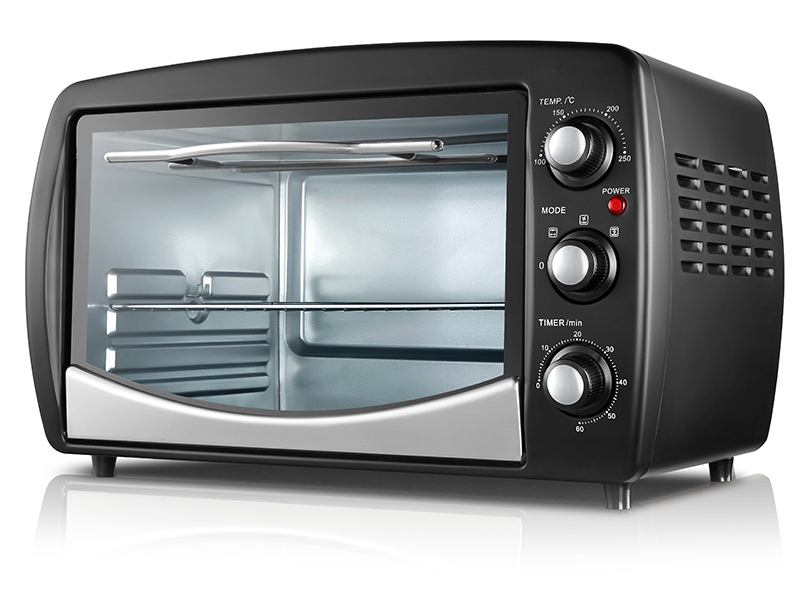
A mini oven, often called a toaster oven or countertop oven, is a compact and convenient appliance perfect for small kitchens, dorm rooms, or as a secondary oven in a larger household. Despite its small size, a modern mini oven can be surprisingly versatile, handling everything from toasting bread and baking cookies to roasting small chickens.
The primary advantage of a mini oven is its efficiency. It heats up much faster than a full-sized conventional oven and uses less energy, making it ideal for smaller meals and snacks. This makes the mini oven a cost-effective and practical choice for daily use.

A convection oven improves upon the traditional oven design by incorporating a fan and exhaust system to circulate hot air. This continuous air movement eliminates hot spots and ensures a consistent temperature throughout the oven cavity. The result is food that cooks faster, more evenly, and with better browning.
Many full-sized ovens now come with a convection setting, but standalone countertop models are also popular. A high-quality convection oven can reduce cooking times by up to 25% compared to conventional ovens. This efficiency makes it a favorite among home bakers and cooks who value precision and speed. The technology is so effective that even some mini oven models now include a convection feature, blending compactness with enhanced performance.
When you step into a professional kitchen, you are likely to find a commercial convection oven. These heavy-duty appliances are the workhorses of the culinary world, designed for high-volume output, durability, and consistent performance under pressure.
A commercial convection oven takes the principles of a standard convection oven and scales them up for demanding environments like restaurants, bakeries, and catering services. They are built with robust materials, powerful fans, and precise temperature controls to handle continuous use. For any business that relies on baking, roasting, or reheating, a reliable commercial convection oven is a non-negotiable investment.
The power of a commercial convection oven ensures that dozens of pastries can bake to a perfect golden-brown simultaneously, and multiple trays of vegetables can roast evenly without needing to be rotated. This level of consistency is crucial for maintaining food quality and service speed.
To better understand the differences, let's look at a comparison of these oven types.
Feature | Mini Oven | Convection Oven (Home) | Commercial Convection Oven |
|---|---|---|---|
Primary Use | Small meals, snacks, reheating, toasting. | Daily baking, roasting, and cooking for families. | High-volume cooking for restaurants and bakeries. |
Heating Method | Static heating elements; some have fans. | Fan-circulated hot air for even cooking. | Powerful fan system for rapid, even heating. |
Size & Capacity | Compact, fits on a countertop. | Full-size built-in or large countertop models. | Large, floor-standing units with multiple racks. |
Energy Use | Low; energy-efficient for small tasks. | Moderate; more efficient than conventional ovens. | High; designed for power and speed. |
Best For | Individuals, small apartments, secondary oven. | Home cooks, bakers, and families. | Professional kitchens, bakeries, catering businesses. |
This table clarifies how a simple mini oven serves a different purpose than a larger convection oven, and how a commercial convection oven is in a class of its own.

Selecting the right oven depends entirely on your specific requirements.
If you have limited space or need an appliance for quick, small-scale cooking, a mini oven is an excellent choice. It provides convenience without the energy consumption of a full-sized oven. Look for a mini oven with multiple functions like baking, broiling, and toasting to maximize its utility.
For the passionate home cook or baker, a convection oven is a fantastic upgrade. The even heat distribution will elevate your culinary creations, from perfectly crisp chicken skin to evenly baked cakes. Whether you choose a countertop convection oven or a full-sized model, the improved results are undeniable.
For business owners in the food service industry, the choice is clear: a commercial convection oven. The return on investment comes from increased productivity, consistent product quality, and the ability to meet customer demand. A durable commercial convection oven is built to withstand the rigors of a busy kitchen, ensuring it remains a reliable asset for years. When investing in a commercial convection oven, consider factors like size, power source (gas or electric), and advanced features that can streamline your operations.
A common question arises when businesses consider upgrading their kitchen equipment, especially concerning safety and installation requirements.
Yes, in most cases, a commercial convection oven requires proper ventilation. There are two main reasons for this: heat and emissions. A commercial convection oven generates a significant amount of heat, which needs to be exhausted from the kitchen to maintain a safe and comfortable working environment. More importantly, gas-powered models produce combustion byproducts, like carbon monoxide, which must be safely vented outside.
Even electric models can produce grease-laden vapor and smoke, which can create a fire hazard and affect air quality. Therefore, installing a commercial convection oven under a professional-grade ventilation hood is almost always required by local health and fire codes. This ventilation system is crucial for safety, compliance, and maintaining a clean kitchen environment. Always consult with a professional installer and local authorities to ensure you meet all regulatory requirements.
From the humble mini oven to the powerhouse commercial convection oven, each appliance has a distinct role. A mini oven offers unparalleled convenience for small tasks. A home convection oven brings professional-level evenness and efficiency to your family's meals. Finally, the commercial convection oven provides the raw power and reliability that professional kitchens depend on. Understanding their differences is the key to equipping your kitchen for success.
If you are in the market for top-tier kitchen equipment, especially a high-performance commercial convection oven, we recommend exploring the offerings from Chinaking Power. Known for their robust construction, innovative technology, and reliable performance, Chinaking Power provides equipment designed to meet the demands of any professional kitchen.
For inquiries about their products, including their advanced convection oven models, please contact them directly:
Email: evelyn@chinakingstar.com
Phone: +86-750-2761363
If you want to know more, click on the article below:
How to Clean a Steam Clean Oven: The Ultimate Guide to Maintaining Your Steam Oven
Choosing The Right Commercial Kitchen Equipment
Premium Conveyor Toasters by Chinaking Power
