

Views: 0 Author: Site Editor Publish Time: 2026-04-29 Origin: Site
In the fast-paced world of commercial catering and industrial baking, the difference between a successful kitchen and a struggling one often comes down to the reliability and precision of the heating equipment. Modern food service demands more than just heat; it requires uniform temperature distribution, moisture control, and energy efficiency. As global culinary standards rise, professional kitchens are increasingly turning toward advanced thermal solutions to maintain consistency across large volumes of production.
Investing in top-tier bakery equipment is not merely a purchase; it is a strategic decision that impacts food quality, operational costs, and the overall lifespan of the kitchen infrastructure. From artisan bakeries to large-scale hotel kitchens, the choice of a primary heating unit defines the menu's possibilities.
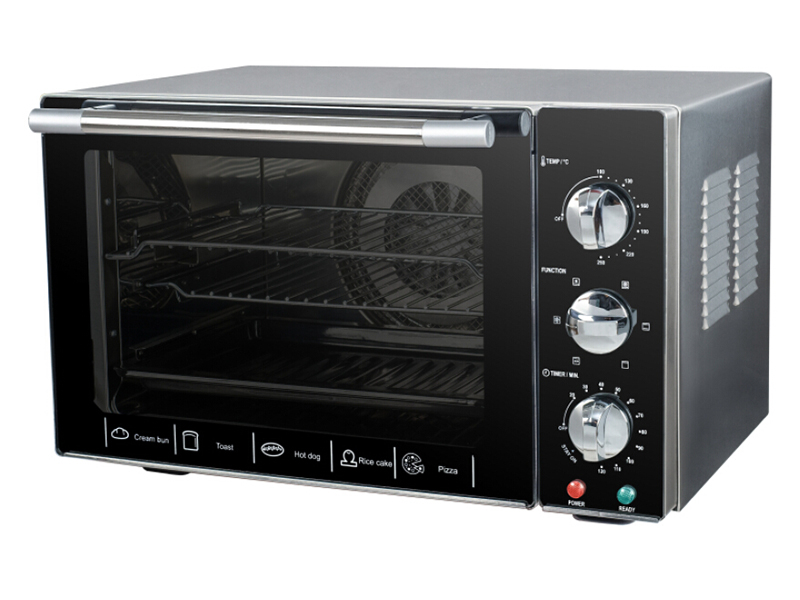
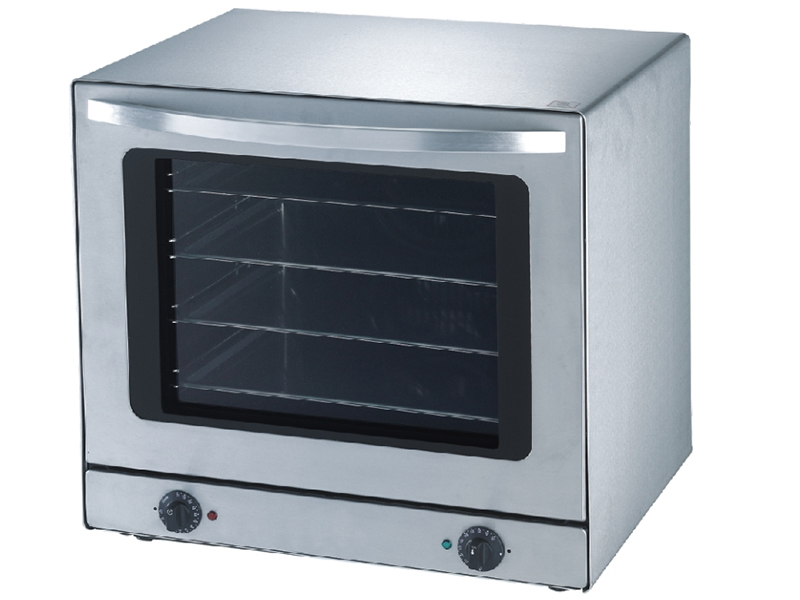
Traditional ovens rely on natural convection, where heat rises and falls in uneven pockets, often leading to "hot spots" that can ruin delicate pastries. However, a high-performance convectional oven utilizes a powerful fan and exhaust system to circulate hot air actively throughout the chamber. This forced-air mechanism strips away the "cold air boundary" that usually surrounds food, allowing for faster heat transfer and more even browning.
The primary benefit of this technology is the ability to bake on multiple racks simultaneously without the need to rotate trays halfway through the cycle. This is particularly vital for bakeries producing high volumes of croissants, cookies, and breads where uniform texture is non-negotiable. Furthermore, because air is circulated so efficiently, these units typically operate at lower temperatures than conventional radiant ovens, which helps in reducing energy consumption over time.
While gas-powered units are common in some regions, the electric convection oven has become the gold standard for kitchens requiring pinpoint accuracy. Electric heating elements offer a degree of temperature stability that is difficult to achieve with gas burners. In an electric system, digital controllers can adjust the power output in minute increments, ensuring that the internal temperature remains within a fraction of a degree of the target.
Modern electric models often come equipped with steam injection features. This is a game-changer for bread bakers, as a burst of steam at the beginning of the bake prevents the crust from setting too quickly, allowing the dough to expand fully (known as "oven spring") and resulting in a glossy, professional finish. Additionally, the lack of combustion byproducts in electric units makes them easier to clean and results in a "cleaner" baking environment, which is highly valued in open-kitchen concepts.
When transitioning from a small boutique operation to a high-capacity facility, the durability of the equipment becomes the most significant factor. Professional-grade commercial ovens are engineered with heavy-duty stainless steel frames and high-density insulation to withstand the rigors of 24/7 operation. Unlike residential models, these industrial units are built with modular components that can be easily serviced, ensuring that a single faulty part doesn't bring the entire production line to a halt.
For large-scale food production, the versatility of the oven is key. A single unit might be used for roasting meats in the morning and baking delicate meringues in the afternoon. This level of flexibility requires sophisticated programming interfaces where chefs can store hundreds of multi-stage recipes, ensuring that any staff member can achieve perfect results with the push of a button.


To help facility managers determine the best fit for their production needs, the following table compares the most popular types of industrial baking units:
| Equipment Type | Best Used For | Heating Mechanism | Capacity / Throughput |
| Convection Oven | Pastries, Cookies, Roasts | Fan-forced Hot Air | High (Multi-rack) |
| Deck Oven | Artisan Bread, Pizza | Conductive (Stone Sole) | Medium (Batch focus) |
| Rotary Rack Oven | High-volume Bread | Rotating Trays + Airflow | Very High (Industrial) |
| Electric Combi Oven | Versatile Cooking/Baking | Steam + Convection | High (Multi-purpose) |
In the current economic climate, energy costs represent one of the highest overheads for any food business. High-quality ovens are now designed with thermal bridges and multi-layer glass doors to prevent heat leakage. This not only saves money on electricity or gas bills but also keeps the kitchen ambient temperature lower, reducing the load on the HVAC system.
Manufacturers like King Power focus on optimizing the fan motor efficiency and insulation thickness. By ensuring that the heat stays exactly where it is needed—inside the baking chamber—operators can reduce their carbon footprint while simultaneously improving the consistency of their output.
The longevity of a high-performance oven is directly proportional to the consistency of its maintenance schedule. Even the most robust industrial hardware requires a disciplined cleaning regimen to prevent the buildup of carbon and grease, which can affect airflow and temperature sensor accuracy.
Daily Cleaning: Wipe down the interior with non-abrasive cleaners once the unit has cooled. Ensure that the door gaskets are free of crumbs to maintain a perfect seal.
Monthly Inspection: Check the fan blades for any debris that might cause imbalance and vibration.
Annual Calibration: Have a professional technician calibrate the thermostats to ensure that the digital display matches the actual internal temperature.
Water Filtration: If using a steam-injection model, always use a high-quality water filtration system to prevent scale buildup in the steam nozzles and boiler.
In conclusion, the foundation of any high-performing bakery or restaurant is its ability to deliver consistent quality under pressure. By integrating a high-efficiency convectional oven for even browning and a technologically advanced electric convection oven for precision control, businesses can ensure they meet the demands of modern consumers.
Choosing from a reputable range of commercial ovens is an investment in your brand's reputation. When the hardware is reliable, the culinary team can focus on creativity and flavor rather than fighting with inconsistent equipment. In the competitive world of food service, quality equipment is the silent partner that makes excellence possible every single day.
